Essential Insights for DIY Travertine Floor Restoration
- Enhancing the Visual Appeal of Your Travertine Floor can be effectively accomplished through various DIY restoration techniques, including thorough removal of surface dirt, the application of a fresh sealer, and achieving a lustrous finish using topical treatments—ideal for lightly soiled or dull surfaces that need revitalisation.
- Recognising the Limitations of DIY Restoration Techniques: Addressing deeply ingrained soil, etches, lippage, and resin crack repairs typically necessitates access to professional-grade equipment and specialised expertise, which most homeowners lack.
- Choosing the Right Cleaning Products is Crucial—pH-neutral cleaners are safe for routine maintenance, while alkaline cleaners like LTP Grimex can effectively tackle tougher grime when utilised properly.
- Filling Minor Holes and Cracks with Grout using a DIY travertine repair kit is achievable, but for resin-based repairs and obtaining a colour-matched finish, it is advisable to seek professional assistance.
- This article provides practical advice designed to empower homeowners in the UK to make well-informed decisions, featuring a clear table outlining what DIY efforts can and cannot achieve.
How Can I Successfully Restore My Travertine Floor?
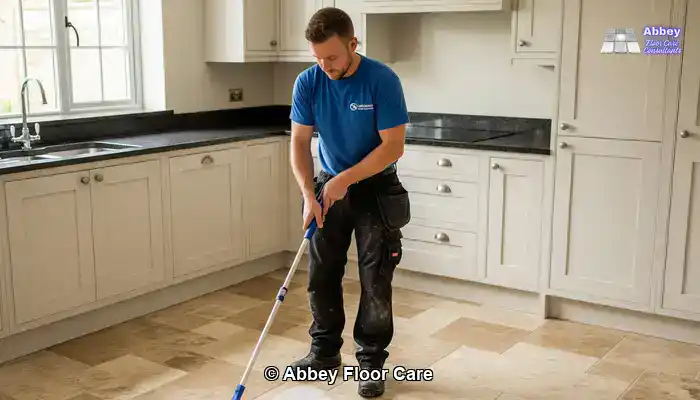
Engaging in a DIY travertine restoration project can significantly enhance the visual appeal and tactile quality of your floors, particularly if they appear dull, slightly dirty, or have remained unsealed for an extended period. By selecting the correct products and investing time, you can effectively remove surface dirt, apply a new layer of sealer, and even achieve a sheen or glossy finish by using a topical sealer. This approach is particularly beneficial for homeowners wishing to rejuvenate their floors without incurring the costs associated with hiring a professional restoration service.
However, it is vital to grasp the inherent limitations associated with DIY methods. DIY approaches often struggle to effectively eliminate deeply embedded soil, etching marks, or managing uneven wear caused by years of foot traffic or spilled substances. Such complications typically require specialised tools like diamond honing or pressurised rinse-and-capture equipment, which are generally unavailable to most homeowners.
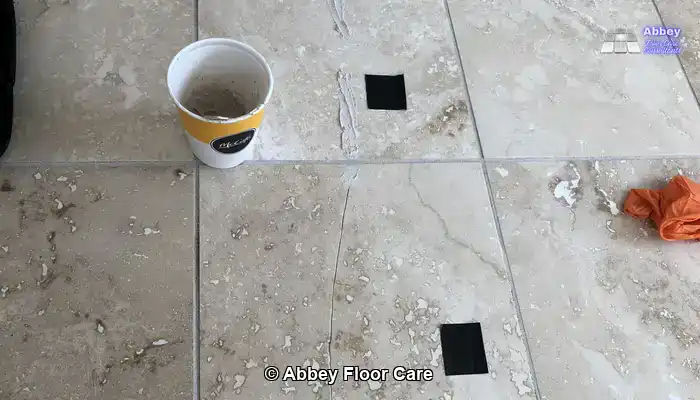
If your travertine floor shows signs of cracking, you may use grout as a cosmetic fix for these imperfections. Nonetheless, resin fillers, which provide a more durable bond and blend seamlessly with the stone, necessitate specific tools and a certain level of skill to apply correctly. Thus, consider DIY restoration primarily as a deep clean and reseal process rather than a comprehensive restoration solution.
Examining the Differences Between DIY and Professional Travertine Restoration
| Task or Outcome | DIY Possible | Professional Recommended |
|---|---|---|
| Remove surface dirt, grime and light sealer residue |  |
|
| Apply an impregnating or topical sealer | |
|
| Add sheen or gloss with a topical sealer | |
|
| Fill small cracks with grout | |
|
| Remove deep ingrained soil |  |
|
| Correct etching or dull patches | |
|
| Polish with diamond pads | |
|
| Fill cracks with resin fillers | |
|
| Flatten uneven tiles (lippage) | |
|
| Remove heavy build-up of topical sealers | |
|
This comprehensive guide equips you with the essential information necessary to assess surface damage, select stone-safe products, and implement effective sealing and maintenance practices to extend the lifespan of your floor. Whether your travertine is honed, tumbled, or polished, you will gain the insights needed to restore its natural beauty—safely, efficiently, and with confidence.
Understanding the Unique Properties of Travertine as a Natural Stone
What Distinguishes Travertine from Other Natural Stones?
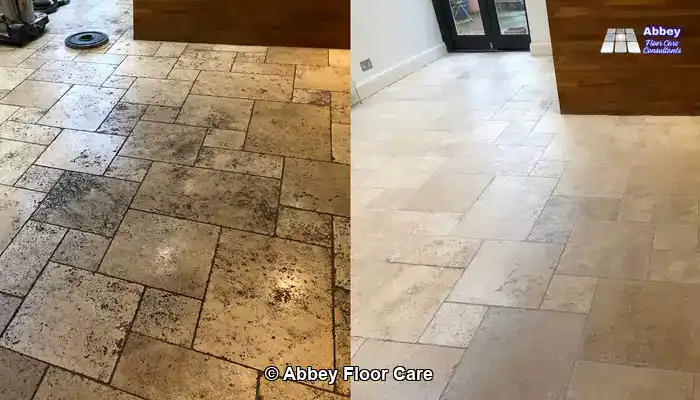
Travertine is a distinctive sedimentary stone formed through the accumulation of mineral deposits, commonly found around hot springs. Its surface showcases natural pits, subtle variations in colour, and a soft texture that offers a warm, organic aesthetic. These unique characteristics make travertine tiles especially appealing for UK homes that seek rustic or timeless design elements.
Common Finishes of Travertine Available in the UK: Honed, Tumbled, and Polished
In the UK, homeowners typically encounter travertine in three primary finishes. Honed travertine features a smooth yet matte surface, which makes it ideal for high-traffic areas such as kitchens and hallways. Tumbled travertine provides a weathered, antique appearance with rounded edges, often preferred in country-style interiors. Polished travertine showcases a glossy surface that requires more maintenance to retain its shine.
Why Does Travertine React Negatively to Acids and Moisture?
Due to its high calcium carbonate content, travertine reacts adversely to acidic substances like vinegar, wine, or citrus, which can lead to etching and a dull appearance if spills are not promptly cleaned. Additionally, its porous nature allows for easy moisture absorption, making sealing an essential aspect of long-term care and maintenance.
What Steps Are Involved in DIY Restoration?
Restoring travertine independently necessitates a systematic approach that encompasses cleaning, sealing, and maintaining the stone. Begin by thoroughly assessing the surface for signs of wear, selecting stone-safe products, and adhering to a detailed process that respects the stone’s natural properties. DIY restoration revolves around understanding how travertine responds to treatment and working harmoniously with its porous structure, ensuring effective results.
When Is It Necessary to Seek Professional Help?
While many UK homeowners can manage basic cleaning and sealing tasks, more significant issues such as serious etching or lippage demand professional equipment or expertise. If your floor presents uneven tiles, deep scratches, or outdated topical sealers requiring removal, consulting a professional is advisable. Nonetheless, most standard travertine care can be safely executed with appropriate guidance and tools, making it manageable for DIY enthusiasts.
What Risks Are Associated with Using Harsh Cleaners or Tools?
Travertine is particularly sensitive to acidic and abrasive substances. The use of bleach, vinegar, or scrubbing pads can result in etching, dullness, and surface damage. Even certain “natural” cleaners marketed for tiles may be too harsh for calcium-based stones. Always ensure that your cleaning products are specifically labelled as safe for travertine or natural stone, and conduct a patch test in a discreet area before full application to avoid any adverse effects.
Step-by-Step Guide for Restoring Your Travertine Floor
Assessing Surface Wear and Damage
Before commencing any restoration work, conduct a thorough inspection of the floor under adequate lighting. Look for dull patches, fine scratches, and cloudy etch marks resulting from acidic spills or significant foot traffic. Identifying these signs will help you determine whether your travertine requires a light clean, thorough polish, or complete resealing. Understanding the type and extent of wear is the initial step in formulating a safe and effective DIY strategy, ensuring you address all visible issues.
Selecting the Right Cleaner for Travertine Restoration
Always choose a pH-neutral cleaner for the regular maintenance of travertine floors. These gentle formulations are specifically designed for natural stone and will not negatively affect the calcium carbonate present in travertine. However, if your floor displays heavier, ingrained dirt or greasy residues, you may need to use a specialised alkaline stone cleaner to effectively dissolve the buildup and restore the surface’s integrity.
Alkaline cleaners are more potent, so it is crucial to strictly follow the manufacturer’s instructions. Apply the cleaner uniformly, allow it to dwell for the recommended duration, and then rinse thoroughly with clean water to remove all residue. Avoid using acidic or general-purpose household cleaners, as these can etch or damage the stone surface, compromising the restoration effort.
If uncertain, always test new products in a discreet corner first and observe for any changes in texture or colour prior to treating the entire floor, ensuring that your restoration remains effective.
Safe Agitation and Rinsing Techniques for Travertine
Evenly distribute the cleaner and allow it to dwell for 5 to 10 minutes. Use a soft white pad or microfibre mop to gently agitate the surface, ensuring that you avoid aggressive scrubbing or abrasive tools that could damage the finish. Rinse thoroughly with clean water and remove any excess moisture using a wet vacuum or a dry mop. This ensures that no residue remains before you proceed to seal the floor, preserving the quality of the surface.
DIY Repairs: Filling Small Cracks and Holes in Your Travertine Floor
If your travertine floor has small open holes or surface cracks, you can perform basic repairs yourself using a cement-based grout. This type of filler is straightforward to apply and greatly enhances the appearance while preventing dirt from accumulating in the gaps, thus maintaining the integrity of your flooring.
For additional guidance, refer to this post on Travertine Repair Kit for Filling Holes.
Best Practices for Achieving Optimal Results
- Thoroughly clean the area before applying grout. Remove any loose debris or dust to ensure proper adhesion.
- Firmly work the grout into the hole or crack, ensuring it fills completely for a long-lasting repair.
- Wipe away excess with a damp cloth before it dries to maintain a clean finish.
- Allow the grout to fully cure before cleaning or sealing the floor, ensuring a durable repair.
This type of repair is suitable for cosmetic touch-ups. However, if cracks are deep or spreading, or if a seamless colour match is desired, it is advisable to consult a professional who can utilise resin fillers and specialised tools for a more durable and aesthetically pleasing solution.
Drying the Floor and Preparing for Sealing
Allow the floor to dry completely—ideally for 12 to 24 hours, depending on ventilation conditions. The porous nature of travertine means that trapped moisture can hinder sealer absorption, potentially leading to inadequate protection. Once dry, assess the surface for consistency and ensure that no cleaner residue remains, as this phase is critical in establishing a solid foundation for effective sealing.
Applying a Suitable Stone-Safe Sealer
If you want to maintain the natural appearance of your travertine floor, opt for a breathable impregnating sealer. This sealer penetrates the stone, offering protection against stains while preserving its natural appearance. Use a lint-free cloth or applicator pad to apply it, working in small sections. Allow it to soak in, and then wipe away any excess before it dries to avoid streaks. Avoid over-application, as this could leave streaks or a tacky finish. Always adhere to the instructions on the label, including the recommended waiting period before walking on the floor.
If your floor appears dull and you wish for a subtle sheen or gloss, consider using a film-forming topical sealer. This sealer rests on the surface and creates a polished effect, which can be beneficial if you lack the tools or experience needed for professional polishing. Regardless of the type chosen, it is crucial to clean the floor with the manufacturer’s recommended cleaner to ensure that the sealer functions effectively and does not damage the finish.
Conducting a Post-Sealing Inspection and Understanding Cure Time
After sealing, conduct a simple water-drop test to assess coverage. If water beads on the surface, the seal is functioning effectively, providing the necessary protection. Allow the floor to cure undisturbed for the recommended duration, typically 24 to 48 hours, to ensure that the sealer adheres properly and protects the stone against future stains and wear.
Essential Tools and Products for Effective DIY Travertine Maintenance
Selecting Appropriate Cleaners and Stone-Safe Pads
For daily cleaning, using a pH-neutral cleaner specifically formulated for natural stone is advisable. These gentle formulations effectively remove everyday dirt and spills without reacting negatively with the calcium in travertine, helping to protect the surface and preserve the sealer. Pair these with a soft white pad or microfibre mop to avoid scratching the stone. Avoid standard household tile cleaners, as many contain acids or harsh chemicals that can gradually damage travertine, leading to costly repairs.
When a floor requires restoration, it often appears dull, greasy, or covered in built-up grime—especially in kitchens or high-traffic areas—necessitating a more intensive clean. In such cases, a specialised alkaline stone cleaner, such as LTP Grimex, can help break down stubborn dirt. These products are more potent than standard cleaners, so it is essential to carefully follow the label instructions. Allow the cleaner to work for the recommended time, then rinse thoroughly with clean water to remove all residue, ensuring a clean and effective restoration.
Utilising the correct cleaner at the right time significantly affects overall results. Consider pH-neutral products as your standard for regular maintenance, reserving alkaline cleaners for deeper cleaning when your floor needs a refresh. Always test any new product in a small, inconspicuous area to ensure it does not affect the colour or finish of your travertine, maintaining its aesthetic appeal.
Utilising Wet Vacuums and Microfibre Mops for Best Results
After cleaning, employ a wet vacuum to extract the soiled solution and rinse water. This prevents residue from settling into the stone’s pores, ensuring a thorough clean. For routine maintenance, a microfibre mop with clean water or a diluted stone-safe cleaner helps maintain freshness without excessive moisture, which could lead to potential issues down the line.
Understanding the Differences Between Impregnating and Topical Sealers
Impregnating sealers penetrate the stone and provide internal protection against stains while allowing moisture to escape, ensuring the stone breathes. In contrast, topical sealers create a surface layer and produce a satin or glossy finish, adding aesthetic appeal but requiring more maintenance to preserve.
Recommended UK Brands for Travertine Care
Look for reputable UK brands specialising in stone care, such as Lithofin, Fila, and LTP. These companies offer stone-safe cleaners and sealers specifically formulated for travertine and other calcium-based stones. Always check product labels for compatibility and meticulously follow usage instructions to ensure the best results for your travertine floors.
Post-Restoration Maintenance Strategies
Establishing Weekly Cleaning Routines for Longevity
After restoration, preserve the beauty of your travertine floor with consistent gentle cleaning. Use a microfibre mop along with a diluted pH-neutral stone cleaner once or twice a week to maintain its appearance. Avoid over-saturating the surface and always rinse with clean water when using any cleaning product. This routine will help maintain the seal and prevent dirt from accumulating in the pores, ensuring your travertine remains beautiful for years to come.
Recognising Early Signs of Wear in Your Travertine Floor
Keep a vigilant eye on high-traffic areas for dull spots, fine scratches, or inconsistent sheen. These early indicators suggest that the surface may require attention. Spot cleaning with a stone-safe product and performing occasional resealing in these areas can help prevent the need for more extensive restoration work in the future. Travertine responds well to proactive maintenance, making it essential to stay attentive to its condition.
When Is It Time to Reseal My Travertine Floors?
Most travertine floors benefit from resealing every 12 to 24 months, depending on usage and exposure levels. Conduct a water-drop test—if water no longer beads on the surface, it is time to reseal. Always ensure thorough cleaning before applying a new sealer coat, and allow adequate curing time to guarantee long-lasting protection against staining and wear.
Common Mistakes to Avoid During Travertine Restoration
Preventing Overwetting or Inadequate Rinsing
Since travertine is highly absorbent, excessive water during cleaning can lead to moisture penetrating the stone, reducing the seal’s effectiveness and promoting staining. Conversely, failing to rinse thoroughly after applying a cleaner can leave residue that dulls the surface. Always use minimal water and promptly remove excess moisture with a wet vacuum or dry mop to maintain the quality of your restoration.
Steering Clear of Acidic or Abrasive Cleaning Products
A common error is using products not formulated for natural stone. Cleaners containing vinegar, lemon, bleach, or abrasive detergents can result in etching and deterioration of the surface, leading to costly repairs. Additionally, abrasive pads or brushes can damage the finish. Stick to pH-neutral, stone-safe products and gentle tools to protect the integrity of the floor, ensuring its longevity.
Ensuring Proper Surface Preparation Before Sealing
Applying sealer to a dirty or damp floor can trap impurities, diminishing its effectiveness. Always ensure the surface is clean, dry, and free from residue before sealing. Rushing this step may result in uneven results and could necessitate stripping and resealing sooner than anticipated, leading to additional costs.
Frequently Asked Questions About DIY Travertine Restoration
Is It Safe to Use Steam Cleaners on Travertine Floors?
Steam cleaners are not recommended for travertine floors. The high temperatures and moisture can seep into the stone’s pores, compromising the seal and potentially leading to damage. Instead, utilise pH-neutral cleaners and soft pads for safe and effective cleaning without risking harm to your beautiful travertine.
What Should I Do If My Floor Is Already Damaged?
If your travertine displays deep etching, cracks, or uneven tiles, DIY methods may not suffice. Basic cleaning and sealing can help stabilise the surface, but professional restoration may be necessary to address structural issues or severe wear, ensuring your floor is restored to its original glory.
How Long Can I Expect My Restoration to Last?
With appropriate care, a restored travertine floor can remain protected for 12 to 24 months before resealing becomes necessary. Regular maintenance and the use of stone-safe products will extend the life of your restoration while preserving the natural beauty of your floor, making it a worthwhile investment.
Is DIY Travertine Care Environmentally Friendly?
Indeed, many UK brands offer eco-friendly stone care products that are biodegradable and safe for indoor use. By avoiding harsh chemicals and minimising waste, DIY travertine care can be both effective and environmentally responsible, contributing positively to your home and the planet.
This article, Can I Restore a Travertine Floor Myself? A DIY Guide, was first published on https://www.abbeyfloorcare.co.uk
The Article Restoring a Travertine Floor: A DIY Guide to Success appeared first on https://fabritec.org
The Article DIY Guide to Successfully Restore a Travertine Floor Was Found On https://limitsofstrategy.com