Exploring the Transformative Benefits of Acupuncture in UK Physical Therapy
What Is Acupuncture and What Are Its Therapeutic Goals?
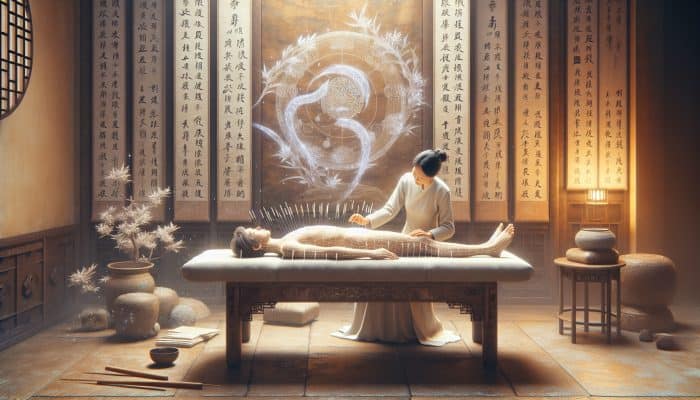
Acupuncture is a traditional Chinese medicine practice that involves the precise insertion of fine, sterile needles into designated points across the body. This ancient method aims to alleviate pain and facilitate healing by promoting the natural flow of Qi, or vital energy. In the realm of physical therapy, acupuncture has emerged as a sought-after complementary technique, particularly effective for treating chronic pain and enhancing overall health. By focusing on specific acupuncture points, practitioners aim to significantly alleviate discomfort and stimulate the body's intrinsic healing mechanisms, thereby supporting recovery and wellness.
The roots of acupuncture stretch back thousands of years, interwoven with a rich tapestry of philosophical and medical insights. In the UK, acupuncture has evolved to coexist harmoniously alongside modern medical practices, gaining recognition from physiotherapists and the wider healthcare community for its therapeutic merits. A deeper understanding of acupuncture’s foundational principles and its integration into physical therapy empowers patients to make informed choices regarding their treatment pathways.
How Is Acupuncture Integrated into Physical Therapy Protocols?
In the UK, acupuncture is increasingly woven into physical therapy frameworks to enhance treatment outcomes. Physiotherapists often adopt acupuncture as a supportive therapy, which has proven particularly advantageous for pain management, rehabilitation, and recovery processes. By incorporating acupuncture techniques into physical therapy regimens, healthcare providers can adopt a more holistic approach that addresses both physical symptoms and overall patient wellness.
This integration begins with a comprehensive evaluation of the patient's health status. Such assessments empower practitioners to formulate bespoke treatment plans that seamlessly merge traditional physiotherapy with acupuncture methods. This integrative framework commonly involves utilising acupuncture to alleviate pain before engaging in rehabilitative exercises, thereby enhancing mobility and functional capacity. This combined strategy not only aids in pain relief but also supports the recovery journey, ultimately leading to improved results for patients.
What Benefits Does Acupuncture Provide in Physical Therapy?
Acupuncture offers a broad spectrum of benefits when incorporated into physical therapy programmes, significantly enhancing patient outcomes. A primary benefit lies in its ability to effectively alleviate pain, making it particularly useful for conditions such as chronic back pain, arthritis, and injuries sustained during sports activities. Additionally, acupuncture enhances mobility and flexibility, enabling patients to more actively participate in their rehabilitation exercises, which is crucial for recovery.
The following points highlight the key benefits of integrating acupuncture into physical therapy:
- Effectively reduces both chronic and acute pain.
- Speeds up recovery times following injuries.
- Enhances overall patient mobility and functionality.
- Alleviates stress while fostering relaxation and mental tranquillity.
- Assists in managing inflammation and swelling.
- Supports mental health and emotional well-being.
- Can be tailored to meet individual treatment needs.
These advantages underscore the significance of considering acupuncture as an essential element within the physical therapy toolkit, particularly in boosting the efficacy of diverse treatment strategies.
Insights from Experts on Acupuncture's Role in Therapy Approaches
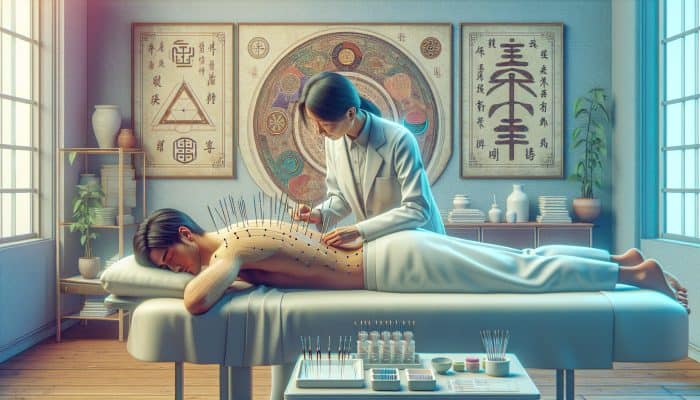
What Perspectives Do UK Professionals Offer About Acupuncture?
Experts in the UK specialising in physical therapy and acupuncture consistently underscore the technique's profound impact on patient outcomes, particularly in managing chronic pain conditions. Practitioners advocate for the inclusion of acupuncture in treatment protocols, highlighting its myriad benefits. Their insights typically include:
- Acupuncture serves as an effective complement to traditional physiotherapy techniques.
- It has proven especially beneficial for chronic pain patients unresponsive to conventional treatments.
- The therapy enhances the overall rehabilitation experience, fostering greater patient engagement.
- A significant number of patients report improvements in their mental health alongside physical recovery.
These professional perspectives reinforce the idea that acupuncture transcends being merely an alternative treatment; it is a critical component of a holistic physical therapy strategy aimed at maximising patient care and recovery.
How Can Acupuncture Be Enhanced Within Therapy Plans?
Enhancing the role of acupuncture within physical therapy protocols involves several vital steps to ensure personalised and effective treatments for each patient. Initially, practitioners should conduct thorough assessments to gain a comprehensive understanding of each patient's specific needs and medical history. This information is crucial for developing tailored acupuncture strategies that directly address individual pain points and rehabilitation objectives.
A pivotal strategy for optimising acupuncture includes precise needle placement. Skilled practitioners must possess in-depth knowledge of anatomy and the relevant acupuncture points associated with the patient’s condition. Moreover, integrating acupuncture with other therapies, such as physiotherapy exercises or manual therapy, can significantly enhance treatment outcomes. Maintaining open lines of communication with patients is paramount, ensuring they understand the process and feel secure throughout their treatment journey.
Additionally, practitioners should regularly evaluate the effectiveness of acupuncture within their therapy plans. Monitoring patient feedback and progress can guide adjustments to treatment strategies over time, ensuring that each patient receives optimal care tailored to their evolving requirements.
Case Studies Showcasing Practical Applications in the UK
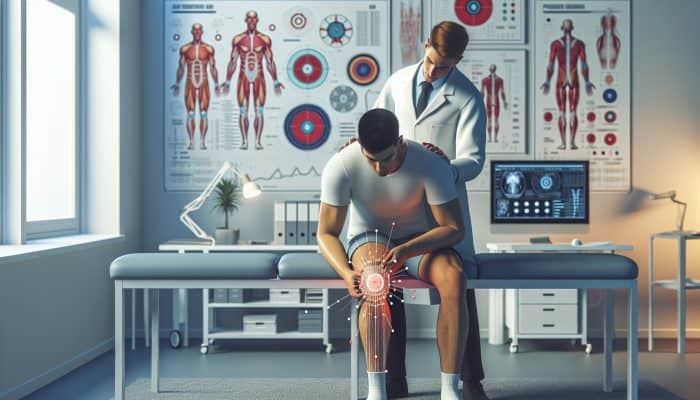
Case studies from UK clinics provide insightful examples of the successful integration of acupuncture within physical therapy environments. One notable case involved a patient recovering from a sports injury that caused chronic knee pain. Following the incorporation of acupuncture into the rehabilitation protocol, the patient experienced a marked reduction in pain levels, allowing for more active engagement in physiotherapy exercises and leading to a quicker recovery.
Another case study from a physiotherapy clinic in London illustrates the use of acupuncture for managing post-operative pain in patients who had undergone knee replacement surgery. In this scenario, acupuncture acted as a complement to traditional pain management strategies, resulting in lower pain scores and a decreased reliance on medication. Patients also reported heightened satisfaction with their recovery experience, highlighting acupuncture's beneficial role in holistic care.
These real-world examples underscore the practical advantages of integrating acupuncture into physical therapy plans, illustrating its effectiveness across various treatment contexts and patient demographics.
What Obstacles Are Present in Implementing Acupuncture in UK Therapy Protocols?
The integration of acupuncture into physical therapy plans in the UK is not without its challenges. A significant barrier is the necessity for adequate practitioner training. It is essential for physical therapists to receive comprehensive training in acupuncture techniques to deliver safe and effective treatments. Many professionals may lack the necessary qualifications or confidence to incorporate acupuncture into their practice, which limits patient access to this valuable therapy.
Patient acceptance also presents a challenge. Some individuals may harbour reservations about acupuncture due to misconceptions or a lack of understanding of its benefits. It is crucial for practitioners to educate patients about the practice, emphasising its effectiveness in pain management and rehabilitation to enhance acceptance and encourage its utilisation.
Furthermore, regulatory frameworks can create barriers for practitioners attempting to integrate acupuncture into their therapy plans. Navigating the varying guidelines and standards across different regions can complicate matters, potentially hindering the widespread adoption of acupuncture in clinical settings.
Addressing these challenges necessitates collaborative efforts from practitioners, regulatory bodies, and educational institutions to promote training, enhance patient education, and establish clear guidelines for the integration of acupuncture into physical therapy plans.
How Does Acupuncture Enhance Other Physical Therapies in the UK?
Acupuncture functions as a complementary therapy that can significantly enhance the effectiveness of various physical therapies, including physiotherapy, osteopathy, and chiropractic treatments. By stimulating specific acupuncture points, practitioners can help diminish pain levels, promote relaxation, and improve overall patient outcomes.
For instance, in physiotherapy, acupuncture may be utilised to prepare patients for exercises by alleviating pain and tension, thus enabling more effective participation in their rehabilitation sessions. When combined with manual therapy techniques, acupuncture can facilitate muscle relaxation and improve the range of motion, leading to superior treatment results.
In osteopathy, acupuncture supports the body's inherent self-healing processes, aligning well with osteopathic principles that emphasise holistic care. By addressing both structural and energetic facets of health, acupuncture complements osteopathic treatments to provide comprehensive patient care.
Likewise, chiropractic care can benefit from the integration of acupuncture, particularly for patients experiencing musculoskeletal pain. The combined approach can yield enhanced pain relief and functional outcomes, demonstrating the synergistic advantages of incorporating acupuncture alongside other traditional therapies.
Ultimately, the amalgamation of acupuncture with various physical therapies represents a multifaceted treatment strategy that enhances patient experiences and fosters quicker recovery times.
How Does Acupuncture Function in UK Physical Therapy?
What Are the Mechanisms That Support Acupuncture's Effectiveness?
Acupuncture operates through several mechanisms that stimulate specific points on the body, triggering natural physiological responses. A primary mechanism involves the release of endorphins, which are the body's natural pain relievers. When needles are inserted into acupuncture points, the body reacts by increasing blood flow to the area, thereby promoting healing and reducing discomfort.
Furthermore, acupuncture is believed to influence the nervous system, modulating pain signals transmitted to the brain. This interaction diminishes the perception of pain and fosters relaxation. Research indicates that acupuncture may also impact neurotransmitter levels, further contributing to its analgesic effects.
Moreover, acupuncture enhances blood circulation, which is vital for healing soft tissues and reducing inflammation. This improved circulation aids in delivering essential nutrients and oxygen to the affected areas, accelerating recovery times for patients undergoing physical therapy.
Understanding these mechanisms enables practitioners to customise acupuncture treatments to meet individual patient needs, thereby optimising therapeutic benefits and maximising overall treatment efficacy.
Understanding Acupuncture Points and Their Physiological Functions
Different acupuncture points correspond to specific physiological functions and can elicit varying effects on the body. For example, points located along the meridians associated with the spleen and liver can assist in reducing inflammation and enhancing digestive health, which is vital for patients recovering from surgery or injury.
Common acupuncture points utilised in physical therapy include:
- LI4 (Hegu): Effective for alleviating pain and tension.
- ST36 (Zusanli): Enhances overall vitality and boosts immune function.
- SP6 (Sanyinjiao): Beneficial for hormonal balance and promoting relaxation.
- GB34 (Yanglingquan): Frequently employed for treating knee pain and joint issues.
By grasping the specific effects associated with these acupuncture points, practitioners can strategically select points that align with their patients' treatment goals. This targeted approach not only enhances the efficacy of acupuncture but also ensures a more personalised therapeutic experience for patients.
Integration with Other Therapies in the UK
Acupuncture is often combined with other therapies in the UK to create comprehensive treatment plans that address both physical and mental health aspects. For example, when integrated with physiotherapy, acupuncture can serve as a precursor to manual therapy techniques. By alleviating pain and muscle tension beforehand, patients tend to be more receptive to physiotherapeutic interventions.
Incorporating massage therapy alongside acupuncture represents another effective strategy. This dual approach can enhance muscle relaxation, improve circulation, and boost overall recovery outcomes for patients. By addressing both the energetic and structural components of health, acupuncture complements massage therapy to provide a well-rounded treatment experience.
In chiropractic care, acupuncture can act as a supplementary tool to manage pain and discomfort, enabling patients to engage more fully in their chiropractic adjustments. This combination can lead to quicker recovery times and improved overall satisfaction.
The successful integration of acupuncture with various therapies underscores its versatility and effectiveness as a complementary treatment modality within the realm of physical therapy in the UK.
What Are the Major Advantages of Acupuncture in Physical Therapy?
Effectively Managing and Alleviating Pain
Acupuncture is widely recognised for its effectiveness in managing both chronic and acute pain, establishing itself as a critical component of physical therapy in the UK. Many patients suffering from conditions such as arthritis, back pain, or sports injuries experience substantial relief through acupuncture treatments. This technique stimulates the body's natural pain relief mechanisms, leading to reduced pain perception and increased comfort during physical therapy sessions.
For instance, patients who have undergone knee replacement surgery often report significant improvements in pain levels after receiving acupuncture, allowing them to participate more fully in rehabilitation exercises. Furthermore, acupuncture can help decrease the need for pain medication, offering a safer alternative for long-term pain management.
The benefits of acupuncture for pain management can be summarised as follows:
- Effective for a wide range of pain conditions, including chronic pain.
- Reduces reliance on pain medications.
- Enhances the effectiveness of physical rehabilitation exercises.
- Promotes overall patient satisfaction with pain management strategies.
These points highlight acupuncture's essential role in improving pain management strategies within physical therapy, ultimately leading to superior patient outcomes.
Accelerating Recovery and Rehabilitation Outcomes
Acupuncture can notably expedite recovery times and rehabilitation outcomes for patients undergoing physical therapy. By promoting healing and reducing inflammation, acupuncture facilitates a quicker recovery from injuries while enhancing patients' ability to engage in therapeutic exercises. This acceleration in recovery can lead to shorter rehabilitation durations and superior functional results for patients.
For example, athletes recovering from injuries may find that integrating acupuncture into their rehabilitation plans allows them to return to their sport sooner and with diminished pain and discomfort. Moreover, patients recovering from surgery frequently experience faster healing times and improved mobility due to the beneficial effects of acupuncture.
The following points demonstrate how acupuncture enhances recovery and rehabilitation:
- Accelerates tissue healing and recovery processes.
- Improves range of motion and flexibility.
- Encourages greater participation in rehabilitation exercises.
- Reduces post-operative recovery times.
These benefits clearly illustrate the significance of integrating acupuncture into physical therapy plans, ultimately supporting quicker recovery and improved rehabilitation experiences for patients.
Enhancing Overall Patient Wellness
One of the often-overlooked advantages of acupuncture in physical therapy is its positive impact on overall patient wellness. Many individuals report feeling more relaxed and less stressed following acupuncture sessions, which can greatly enhance their recovery journey. The calming effects of acupuncture not only alleviate physical discomfort but also contribute to emotional and mental health.
Patients frequently express an improved quality of life following regular acupuncture treatments, experiencing reduced anxiety and enhanced emotional stability. This holistic approach to well-being can boost patients' motivation and commitment to their physical therapy programmes, leading to better treatment adherence and outcomes.
The following points summarise how acupuncture contributes to improved patient wellness:
- Reduces stress and anxiety levels.
- Enhances emotional stability and resilience.
- Improves overall quality of life.
- Encourages greater engagement with physical therapy.
These factors highlight the multifaceted benefits of acupuncture, showcasing its role not only in physical recovery but also in nurturing a positive mental and emotional state for patients undergoing therapy.
Effectively Reducing Inflammation and Swelling
Acupuncture is particularly effective in reducing inflammation and swelling, common issues faced by patients in physical therapy. By targeting specific acupuncture points, practitioners can promote improved blood circulation and lymphatic drainage, leading to decreased inflammation and enhanced healing processes.
For patients recovering from injuries or surgery, managing inflammation is crucial for achieving optimal mobility and functionality. Acupuncture can alleviate symptoms associated with conditions such as tendonitis or bursitis, enabling patients to engage more effectively in rehabilitation exercises.
The key benefits of acupuncture in reducing inflammation and swelling include:
- Promotes lymphatic drainage to alleviate swelling.
- Facilitates increased blood circulation to affected areas.
- Enhances the body's natural healing mechanisms.
- Alleviates discomfort associated with inflammatory conditions.
These advantages emphasise the importance of incorporating acupuncture into physical therapy plans to assist patients in managing inflammation and accelerating their recovery journeys.
Enhancing Muscle Function and Flexibility
Acupuncture has demonstrated its capacity to enhance muscle function and flexibility, two essential components of physical recovery and rehabilitation. By stimulating muscle tissue, acupuncture promotes relaxation and reduces tension, allowing patients to achieve a better range of motion and functional capability during physical therapy.
For instance, athletes often benefit from acupuncture as it helps maintain muscle elasticity and prevent injuries. By addressing tightness and discomfort in muscles, acupuncture enables patients to engage more fully in therapeutic exercises, resulting in improved functional outcomes.
The following points illustrate how acupuncture enhances muscle function and flexibility:
- Reduces muscle tension and stiffness.
- Increases range of motion for more effective rehabilitation.
- Promotes muscle recovery following exertion.
- Supports injury prevention through muscle maintenance.
These aspects underscore the critical role of acupuncture in the physical therapy landscape, highlighting its potential to optimise muscle function and flexibility for enhanced patient outcomes.
Implementing Effective Strategies for Acupuncture in Physical Therapy Protocols
What Best Practices Should Practitioners Follow for Acupuncture in the UK?
Implementing best practices for acupuncture in UK physical therapy is vital to ensure safe and effective treatment outcomes. Practitioners must undergo comprehensive training to become proficient in acupuncture techniques and grasp the principles of traditional Chinese medicine. This foundational knowledge not only enhances their competencies but also instils confidence in patients regarding the treatment process.
Patient assessment is another critical aspect of best practices. Each patient's medical history, physical condition, and treatment goals should be meticulously evaluated before developing an acupuncture plan. This personalised approach ensures that treatments are tailored to meet specific needs, maximising effectiveness and supporting optimal recovery.
Moreover, maintaining thorough follow-up care is essential. Regular check-ins with patients allow practitioners to assess progress, address concerns, and modify treatment plans as necessary. This ongoing support fosters a robust practitioner-patient relationship and contributes to better treatment adherence.
The following best practices are crucial for successful acupuncture in the UK:
- Ensure practitioners receive accredited training and certifications.
- Conduct comprehensive patient assessments prior to treatment.
- Integrate acupuncture with other therapeutic techniques.
- Maintain regular follow-up care and communication with patients.
By adhering to these best practices, practitioners can enhance the effectiveness of acupuncture within physical therapy and support positive patient outcomes.
How Can Acupuncture Treatments Be Customised to Individual Patient Needs?
Customising acupuncture treatments to individual patient needs is essential for maximising effectiveness and ensuring positive outcomes. The first step in this process involves conducting a detailed assessment of the patient’s condition, including their medical history, physical limitations, and treatment goals. This information provides a foundation for developing personalised acupuncture protocols that address the patient’s unique challenges.
Practitioners should also consider factors such as the patient's age, lifestyle, and preferences when designing treatment plans. For instance, some patients may respond better to certain acupuncture techniques or points, while others might prefer a gentler approach. Open communication with patients is pivotal to understanding their needs and preferences.
Furthermore, regular evaluations of the patient's progress are essential. By monitoring changes in pain levels, mobility, and overall well-being, practitioners can make informed adjustments to treatment plans, ensuring that each patient receives tailored care throughout their rehabilitation journey.
The following strategies can aid in customising acupuncture to individual needs:
- Conduct thorough patient assessments to comprehend specific needs.
- Communicate openly with patients about their preferences.
- Regularly evaluate treatment effectiveness and adapt as necessary.
- Incorporate patient feedback into treatment plans for continual improvement.
These strategies ensure that acupuncture treatments are optimally tailored to each patient's unique circumstances, ultimately enhancing their overall recovery experience.
Integrating Acupuncture into Long-Term Therapy Plans
Integrating acupuncture into long-term therapy plans is a strategic approach that can significantly improve patient outcomes over time. For chronic conditions, ongoing acupuncture treatments can provide sustained relief and prevent symptom recurrence. This long-term perspective allows practitioners to address both immediate needs and future concerns as part of a comprehensive care strategy.
Practitioners should establish clear treatment goals with patients, outlining how acupuncture will be incorporated into their long-term therapy plans. This may involve a combination of scheduled acupuncture sessions alongside other therapeutic interventions, such as physiotherapy or lifestyle modifications.
Regular monitoring of patient progress is essential in long-term therapy plans. By assessing the effectiveness of acupuncture treatments over time, practitioners can make necessary adjustments to maintain optimal results. This feedback loop fosters patient engagement and ensures that treatments remain relevant to their evolving needs.
Key strategies for incorporating acupuncture into long-term therapy plans include:
- Establish clear treatment goals in collaboration with patients.
- Integrate acupuncture with other therapeutic modalities for comprehensive care.
- Regularly monitor and assess patient progress throughout the treatment journey.
- Encourage patient engagement and feedback for ongoing plan adjustments.
By following these strategies, practitioners can effectively incorporate acupuncture into long-term therapy plans, promoting sustained recovery and optimising patient outcomes in the long run.
What Challenges Are Associated with Using Acupuncture in Physical Therapy?
Regulatory and Training Challenges in the UK
In the UK, the integration of acupuncture into physical therapy faces various regulatory and training challenges. A pressing concern is ensuring that practitioners receive appropriate training and adhere to established regulatory standards. While acupuncture is gaining recognition within the healthcare community, inconsistencies in guidelines governing its practice lead to disparities in training and competencies among practitioners.
It is crucial for physical therapists incorporating acupuncture into their treatment plans to undergo accredited training programmes that encompass both theoretical knowledge and practical skills. Unfortunately, not all educational institutions provide comprehensive training in acupuncture, which may leave some practitioners ill-prepared to deliver effective care.
Moreover, the regulatory landscape can be complex, with different governing bodies overseeing acupuncture practice in various regions. This can create confusion for practitioners and patients alike regarding professional standards, leading to potential safety concerns.
Addressing these challenges necessitates concerted efforts from regulatory bodies, educational institutions, and professional organisations to establish consistent training requirements and guidelines for acupuncture practice within physical therapy.
Patient Acceptance and Perceptions
Patient acceptance of acupuncture in physical therapy can pose a significant challenge, as some individuals may have reservations about the treatment due to misconceptions or a lack of understanding. It is imperative for practitioners to address these concerns through education and open dialogue. Patients unfamiliar with acupuncture may be sceptical about its efficacy or fearful of needles.
To foster acceptance, it is essential for practitioners to provide clear information regarding the benefits of acupuncture, including its role in pain management, injury recovery, and overall well-being. Sharing success stories and real-world examples can help demystify the treatment process and encourage patients to consider acupuncture as a viable option.
Setting realistic expectations is also vital in managing patient attitudes toward acupuncture. Practitioners should discuss potential outcomes and treatment timelines, emphasising that results may vary depending on individual circumstances and conditions. By cultivating a trusting relationship and providing support, practitioners can help patients feel more comfortable and open to incorporating acupuncture into their therapy plans.
Key strategies for addressing patient acceptance and perceptions include:
- Educate patients about the benefits and principles of acupuncture.
- Share success stories and examples of positive outcomes.
- Set realistic expectations regarding treatment efficacy and timelines.
- Encourage open communication to address patient concerns.
By adopting these strategies, practitioners can enhance patient acceptance of acupuncture and promote a more positive treatment experience.
How to Assess the Effectiveness of Acupuncture?
Measuring the effectiveness of acupuncture in physical therapy can be challenging, given its often subjective outcomes such as pain levels and patient feedback. However, practitioners can implement various strategies to evaluate the impact of acupuncture on patient recovery and overall well-being.
One approach is to utilise standardized assessment tools to evaluate pain levels before and after acupuncture sessions. Traditional pain scales or questionnaires can provide valuable insights into changes in pain perception and functional abilities. Additionally, tracking mobility improvements or other objective measures, such as range of motion, can help quantify the benefits of acupuncture treatments.
Patient feedback is another critical component in measuring effectiveness. Regular check-ins and discussions about treatment experiences can yield qualitative insights into how acupuncture is impacting patients’ lives. By analysing patterns in feedback, practitioners can identify areas for improvement and refine treatment protocols accordingly.
The following strategies can assist in measuring acupuncture's effectiveness:
- Utilise standardized pain assessment tools before and after sessions.
- Track objective measures such as range of motion improvements.
- Collect qualitative feedback from patients regarding their experiences.
- Regularly review and analyse effectiveness data to refine treatment plans.
Implementing these strategies can help practitioners gain a clear understanding of how acupuncture contributes to patient recovery, ultimately informing treatment decisions and optimising care.
Integrating Acupuncture with Conventional Physical Therapy Techniques
Balancing acupuncture with conventional physical therapy techniques requires careful planning and consideration to ensure that treatments complement each other effectively. Practitioners must be well-versed in both acupuncture and traditional physiotherapy techniques to create integrated treatment plans that enhance patient outcomes.
A key aspect of successful integration is timing. For example, acupuncture can be strategically employed before or after physiotherapy sessions to maximise benefits. Administering acupuncture prior to physical therapy can alleviate pain and tension, allowing patients to engage more effectively in rehabilitation exercises. Conversely, utilising acupuncture after physical therapy can support recovery and relaxation, minimising post-session soreness.
Communication among healthcare providers is also essential for ensuring cohesive treatment strategies. Practitioners should collaborate and share insights regarding patient progress, treatment goals, and any adjustments made to acupuncture or physiotherapy plans. This collaborative approach fosters a more comprehensive understanding of each patient's needs and promotes optimal care.
The following strategies can enhance the integration of acupuncture with conventional physical therapy techniques:
- Ensure practitioners are trained in both acupuncture and physiotherapy.
- Strategically time acupuncture treatments to optimise patient engagement.
- Facilitate communication among healthcare providers for comprehensive care.
- Continuously assess and adjust treatment plans based on patient progress.
By following these strategies, practitioners can effectively integrate acupuncture into conventional physical therapy techniques, leading to enhanced patient experiences and improved treatment outcomes.
Cost Considerations and Accessibility of Acupuncture Services
The cost and accessibility of acupuncture services present significant challenges for both practitioners and patients seeking to incorporate acupuncture into physical therapy. While acupuncture is gaining recognition for its benefits, the associated costs can be a barrier for many individuals.
In the UK, the price of acupuncture treatments can vary widely, depending on factors such as location, practitioner experience, and session duration. This variability may limit access, particularly for those on tight budgets or without private health insurance. Moreover, not all healthcare providers may cover acupuncture as part of their treatment plans, further complicating accessibility for patients.
To address these challenges, practitioners can explore partnerships with healthcare facilities, offering acupuncture as a complementary service within established physical therapy practices. This collaborative model can enhance accessibility and reduce costs for patients while helping practitioners reach a broader audience.
The following strategies can improve the accessibility and affordability of acupuncture services:
- Explore partnerships with healthcare providers to integrate acupuncture into practices.
- Offer flexible payment plans or sliding scale fees for patients.
- Educate insurance providers about the benefits of covering acupuncture treatments.
- Engage in community outreach to raise awareness of acupuncture services.
By implementing these strategies, practitioners can help improve the cost and accessibility of acupuncture services, ensuring that more patients can benefit from this valuable treatment modality.
Future Innovations and Trends in UK Acupuncture and Physical Therapy
What Innovations Are Emerging in Acupuncture Practice?
The future of acupuncture in the UK is poised for exciting innovations, particularly as research continues to explore its applications within physical therapy. Emerging technologies and novel techniques are set to shape how acupuncture is integrated into treatment plans, enhancing efficacy and patient experiences.
One potential innovation involves the use of electro-acupuncture, where small electrical currents are applied to acupuncture needles. This technique has demonstrated promise in improving pain relief and facilitating muscle recovery, making it a valuable addition to physical therapy protocols. Additionally, advancements in acupuncture training methodologies may lead to more standardised practices and improved practitioner proficiency.
Moreover, the incorporation of digital health technologies, such as telehealth platforms, may facilitate increased access to acupuncture services. Remote consultations and educational resources can empower patients to engage with acupuncture treatments in their own time and space, broadening the reach of this therapeutic approach.
Anticipating these trends can help practitioners prepare for the future landscape of acupuncture in physical therapy, ensuring they remain at the forefront of innovative patient care.
How Will Research Shape Acupuncture Practices?
Ongoing research into acupuncture's efficacy and mechanisms is likely to influence practice patterns in the UK. As more studies emerge, providing evidence-based insights into the benefits of acupuncture, practitioners will be better equipped to incorporate findings into their treatment plans.
Research focusing on specific conditions, such as chronic pain management or post-surgical recovery, will help refine acupuncture techniques and protocols. This knowledge can lead to more tailored treatment approaches, ensuring that practitioners apply best practices based on the latest evidence. Furthermore, research may reveal new acupuncture points or techniques that could further enhance patient outcomes.
As the field of acupuncture continues to evolve, practitioners can leverage research findings to advocate for the inclusion of acupuncture in multidisciplinary treatment plans and inform patients about the most effective approaches to care.
The following points illustrate the potential influence of research on acupuncture practices:
- Evidence-based insights will inform treatment protocols and techniques.
- Research findings can enhance understanding of acupuncture's mechanisms.
- New studies may identify additional applications for acupuncture in physical therapy.
- Research will support the integration of acupuncture into multidisciplinary care models.
By staying attuned to ongoing research, practitioners can continue to evolve their practices and improve patient care through evidence-based acupuncture interventions.
The Growing Role of Acupuncture in Holistic Health Care
The role of acupuncture in holistic care is anticipated to expand significantly in the UK, with an increasing number of clinics recognising the importance of integrating mind, body, and spirit in treatment approaches. As healthcare providers embrace a more comprehensive view of patient well-being, acupuncture is set to become a vital component in holistic care models that prioritise overall health and emotional balance.
Practitioners will likely collaborate across disciplines, incorporating acupuncture alongside other therapies such as counselling, nutrition, and lifestyle coaching. This integrative approach aims to address the multifaceted needs of patients, creating personalised care plans that encompass physical, mental, and emotional health.
Furthermore, the focus on preventive care will elevate acupuncture's relevance in holistic treatment models. By offering patients proactive strategies for maintaining health and well-being, practitioners can empower individuals to manage stress, improve resilience, and promote self-care practices.
Anticipating this trend will enable practitioners to position themselves as leaders in holistic care, utilising acupuncture as a key tool in fostering comprehensive patient wellness and satisfaction.
Frequently Asked Questions (FAQs)
What is acupuncture?
Acupuncture is a traditional Chinese medicine technique involving the insertion of thin needles into specific body points to relieve pain and promote healing.
How does acupuncture work in physical therapy?
Acupuncture works by stimulating specific points, releasing endorphins, improving blood circulation, and modulating pain signals in the body, which aids in recovery.
What are the benefits of acupuncture in physical therapy?
Benefits include pain management, enhanced recovery, improved well-being, reduced inflammation, and increased muscle function and flexibility, making it valuable in therapy plans.
Can acupuncture be integrated with other therapies?
Yes, acupuncture can be effectively integrated with physiotherapy, osteopathy, and chiropractic treatments to enhance overall patient outcomes and treatment efficacy.
What challenges exist in implementing acupuncture in therapy plans?
Challenges include regulatory and training issues, patient acceptance, measuring effectiveness, and balancing acupuncture with conventional treatment methods.
How is acupuncture tailored to individual patient needs?
Acupuncture is tailored by conducting thorough assessments, considering patient preferences, and regularly evaluating treatment effectiveness for personalised care.
What innovations are emerging in acupuncture practice?
Emerging innovations include electro-acupuncture, digital health integration, and new training methodologies that enhance acupuncture's efficacy in physical therapy.
How can healthcare providers improve patient acceptance of acupuncture?
Providers can improve acceptance by educating patients about the benefits, sharing success stories, and setting realistic expectations regarding treatment outcomes.
How do practitioners measure the effectiveness of acupuncture?
Effectiveness can be measured using standardised pain assessment tools, tracking objective measures like range of motion, and collecting patient feedback on treatment experiences.
What role does acupuncture play in holistic care?
Acupuncture plays a vital role in holistic care by addressing physical, mental, and emotional aspects of health, promoting overall well-being and preventive care strategies.
Connect with us on Facebook!
The Article Acupuncture in Physical Therapy Plans: UK Focus Was First Published On https://acupuncture-frome.co.uk
The Article Acupuncture’s Role in UK Physical Therapy Plans Was Found On https://limitsofstrategy.com