Comprehensive Guide to Optimising Your British Shorthair’s Nutrition for Peak Health
What Nutritional Elements Are Essential for a Well-Balanced British Shorthair Diet?

British Shorthair Diet Guidelines: To ensure your British Shorthair receives a nutritious diet, it is crucial to comprehend their specific dietary requirements. These delightful feline companions thrive on a diet rich in protein and healthy fats, which are vital for maintaining muscle mass and providing the energy necessary for their daily activities. Furthermore, essential vitamins and minerals significantly contribute to bolstering their immune system and overall health. Equally important is the need for proper hydration, as British Shorthairs are prone to urinary tract issues; thus, ensuring they have regular access to fresh water is a must.
The robust physique of British Shorthairs, combined with their generally lower levels of activity, necessitates a carefully curated diet that addresses their unique physical characteristics. By opting for high-quality ingredients such as lean meats and suitable dietary supplements, pet owners can effectively manage their cat’s weight and overall wellness. This conscientious approach to nutrition not only enhances health but also promotes longevity, ensuring that your British Shorthair remains active and vibrant throughout their life.
How Can You Identify the Essential Nutrients Required for Your Cat’s Well-being?
Recognising the vital nutrients necessary for British Shorthairs is critical for their overall health and vitality. Key components include proteins, healthy fats, carbohydrates, vitamins, and minerals. Proteins are indispensable for tissue repair and growth, while fats are crucial for energy and supporting cellular structures. Carbohydrates serve as a quick energy source, contributing to overall vitality and well-being.
- High-quality animal proteins (such as chicken, fish)
- Healthy fats (like fish oil, flaxseed oil)
- Essential vitamins (including A, D, E, K)
- Minerals (such as calcium, phosphorus, potassium)
- Fiber (to promote digestive health)
- Water (to guarantee proper hydration)
Being vigilant for signs of nutrient deficiencies, such as a lacklustre coat or unusual fatigue, enables owners to adjust their British Shorthair’s diet effectively. A balanced blend of these nutrients guarantees a wholesome and nutritious diet that supports a healthy and active lifestyle for your cherished feline friend.
What Factors Influence the Dietary Requirements of British Shorthairs?
Numerous factors can profoundly influence a British Shorthair’s dietary needs, including age, activity levels, and breed-specific traits. For example, kittens necessitate a nutrient-dense diet filled with essential nutrients to support their rapid growth, while adult cats generally need fewer calories to sustain a healthy weight. Senior cats often benefit from specialised diets that promote joint health and cognitive function.
The activity level of your cat is another significant factor influencing their dietary needs; more active cats may require additional calories to maintain their energy, while those leading a more sedentary lifestyle should follow a controlled diet to prevent obesity. By understanding these different factors, owners can tailor their British Shorthair’s meals to suit their specific life stage and activity levels.
How to Choose the Most Appropriate Food for Your British Shorthair?
Which Key Ingredients Should You Seek in Cat Food?
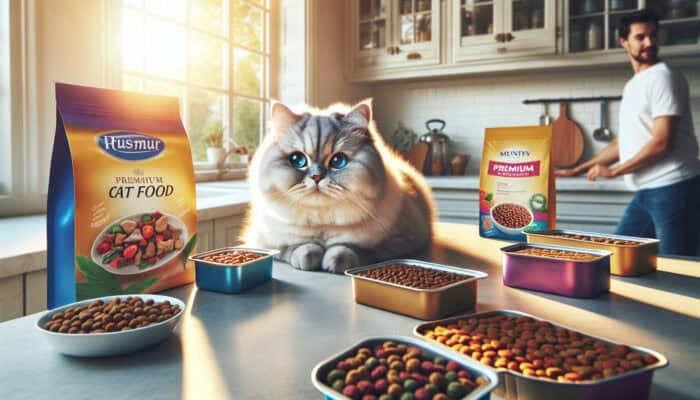
Selecting the right cat food involves an understanding of the high-quality ingredients that support your British Shorthair’s health. Look for options that prioritise animal-based proteins as the primary ingredient. Proteins such as chicken, turkey, or fish should be listed first, ensuring your cat obtains the essential amino acids necessary for muscle maintenance and sustained energy.
Alongside premium proteins, the ideal cat food should also contain healthy fats, vitamins, and minerals that facilitate digestion and enhance immune function. Avoid products that contain fillers like corn or soy, as they provide minimal nutritional benefits. By prioritising foods that clearly outline their nutrient content, owners can make informed decisions to meet their British Shorthair’s dietary needs and promote optimal health.
What Portion Sizes Should You Consider for Your Cat’s Meals?
Establishing the correct portion sizes for your British Shorthair is crucial for preventing overfeeding while ensuring they receive adequate nutrition. The recommended amount of food can differ based on factors such as your cat’s weight, age, and activity level. Typically, adhering to the manufacturer’s guidelines for food measurement serves as an excellent starting point for portion management.
Monitoring your cat’s weight is essential; should you notice any fluctuations, whether gain or loss, adjustments to their feeding routine may be warranted. Utilising measuring cups or a kitchen scale can aid in maintaining consistency in portion sizes, ensuring your cat receives the correct amount of food. Managing appropriate serving sizes supports energy levels and helps prevent obesity, contributing positively to your British Shorthair’s overall health.
Why is Incorporating Variety Vital for Your Cat’s Nutritional Needs?
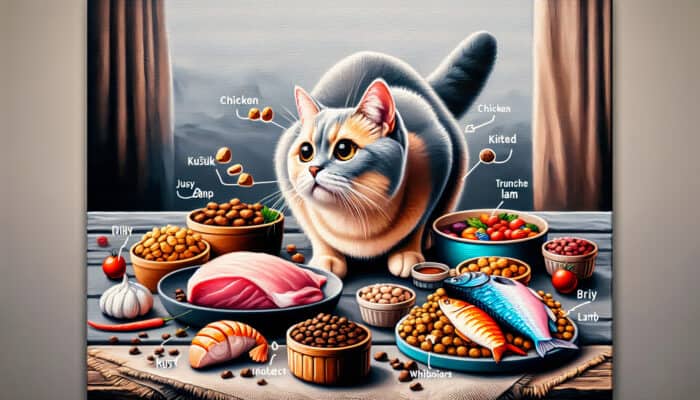
Introducing variety into your British Shorthair’s diet is crucial for maintaining their interest in food while ensuring a balanced intake of nutrients. Rotating different protein sources, such as chicken, fish, and lamb, provides a diverse array of amino acids and prevents the monotony of a single food type. This practice not only makes mealtime more enjoyable but also supports nutritional diversity, which is essential for overall health.
Furthermore, varying the texture of your cat’s food, such as combining dry kibble with wet food, can make meals more appealing and contribute to improved hydration. Implementing variety does not have to be complex; gradually introducing new foods can facilitate a smooth transition. This approach keeps your British Shorthair engaged with their meals while ensuring a comprehensive, nutritious diet.
Expert Insights for Crafting the Ideal Diet for British Shorthairs
How Can You Customise Your Cat’s Meals Based on Expert Recommendations?
Customising meals for British Shorthairs necessitates a thoughtful approach that considers their individual health needs and dietary preferences. Experts advise keeping a detailed log of your cat’s eating habits, weight changes, and activity levels to identify any necessary adjustments. For example, if a British Shorthair exhibits signs of lethargy, increasing their protein intake may prove beneficial.
Real-life examples demonstrate that cat owners who adjust their pet’s diets based on specific responses often witness significant health improvements. For instance, a British Shorthair transitioning to a high-protein diet may display increased energy and a shinier coat, illustrating the effectiveness of personalised dietary adjustments.
What Symptoms Suggest Nutritional Imbalances in Your Cat?
Monitoring your British Shorthair for signs of nutritional imbalances is crucial for maintaining their overall health. Common indicators include changes in coat quality, variations in energy levels, and noticeable weight fluctuations. A dull coat or excessive shedding may suggest a deficiency in essential fatty acids, while unexpected weight gain could indicate overfeeding or insufficient physical activity.
Regular monitoring enables owners to intervene promptly and make necessary adjustments to their cat’s diet. If significant imbalances are detected, seeking professional veterinary advice may be essential to effectively address these issues. By remaining vigilant and proactive, owners can ensure their British Shorthairs stay healthy, energetic, and full of life.
What Role Does Veterinary Guidance Play in Formulating Your Cat’s Diet?
Veterinary guidance is invaluable when crafting an optimal feeding plan for your British Shorthair. Professionals can assess your cat’s health status and provide personalised dietary recommendations. For instance, a cat with a history of urinary tract issues may benefit from a diet higher in moisture content to support kidney health.
Real-world examples suggest that owners who integrate veterinary advice into their feeding routines typically achieve superior dietary outcomes. Regular consultations can yield insights into long-term dietary strategies, ensuring that your British Shorthair receives the necessary care throughout their different life stages.
Key Daily Feeding Routines for Your British Shorthair
What Elements Define an Effective Feeding Schedule for Your Cat?
Establishing an effective feeding schedule for your British Shorthair is fundamental to aligning with their natural behaviours. Generally, adult cats thrive on two meals a day, spaced approximately 12 hours apart. This consistent routine mimics their natural hunting instincts and promotes healthy digestion and energy regulation.
Consistency is paramount; maintaining regular meal times helps cats form a routine, reducing anxiety and stress associated with feeding. Predictable meal times can also enhance digestion and nutrient absorption, contributing positively to your British Shorthair’s overall health and well-being.
How Can You Successfully Combine Wet and Dry Foods into Their Diet?
Incorporating both wet and dry foods can greatly enhance your British Shorthair’s diet, addressing both hydration and textural variety. Wet food provides hydration benefits and is often more palatable, while dry food offers dental health advantages and convenience. Mixing these two food types creates a balanced diet that meets your cat’s nutritional needs.
To integrate both types of food seamlessly, consider alternating meals or mixing wet food into dry kibble. This method ensures that your cat receives a diverse nutrient profile while keeping mealtime engaging. Observing your cat’s preferences can guide you in making adjustments, guaranteeing they enjoy their meals while receiving optimal nutrition.
What Factors Should Prompt Adjustments in Meal Frequency for Your Cat?
Life changes often necessitate modifications in your British Shorthair’s meal frequency. Factors such as age, health issues, and lifestyle changes can all affect their dietary requirements. For example, senior cats may benefit from smaller, more frequent meals to effectively manage digestive health.
- Age-related changes (e.g., transitioning to senior diets)
- Illness or recovery periods
- Changes in activity levels (e.g., increased or decreased exercise)
- Post-surgery care
Being mindful of these factors helps owners maintain consistent nutrition, ensuring their British Shorthair continues to thrive through various life stages.
What Advantages Does a Well-Balanced Diet Offer Your Cat?
How Does Proper Nutrition Contribute to Long-term Health and Wellness?
A well-balanced diet significantly enhances the long-term health of British Shorthairs. Adequate nutrition strengthens their immune system, significantly reducing the risk of common ailments and promoting longevity. Cats that receive the necessary nutrients demonstrate increased vitality, maintaining high energy levels well into their senior years.
Moreover, a well-rounded diet supports essential bodily functions like digestion and metabolism, fostering a healthier lifestyle overall. This preventive approach leads to fewer veterinary visits and an improved quality of life, highlighting the crucial role nutrition plays in your cat’s well-being.
Why is Maintaining Hydration Vital for Overall Health?
Hydration is a crucial aspect of overall wellness for British Shorthairs. Water is essential for various bodily functions, including kidney health, digestion, and temperature regulation. Encouraging your cat to drink enough water helps prevent urinary tract diseases, which are prevalent in this breed.
To enhance hydration, owners should include wet food in their cat’s diet and provide fresh water daily. Creative strategies, such as utilising water fountains or adding water to dry food, can entice cats to drink more, thereby supporting their overall health and vitality.
How Does Diet Affect Behaviour and Energy Levels in Cats?
The diet of a British Shorthair directly impacts their behaviour and energy levels. A nutritious meal can stimulate increased activity and engagement during playtime, significantly enhancing their quality of life. Conversely, poor nutrition may lead to lethargy or behavioural issues, such as aggression or anxiety.
By selecting high-quality foods rich in essential nutrients, owners can foster a lively, contented lifestyle for their cats. A well-nourished cat not only experiences happiness but also becomes more interactive, providing fulfilling companionship for their owners.
How Does a Well-Balanced Diet Help Prevent Common Feline Diseases?
A well-balanced diet serves as a powerful defence against common feline diseases that affect British Shorthairs, including urinary tract infections and heart disease. By providing essential vitamins and minerals, owners can enhance their cat’s immune system and minimise the risk of health complications.
Additionally, a diet rich in antioxidants combats oxidative stress, reducing the likelihood of chronic diseases. By proactively addressing dietary needs, owners can help ensure that their British Shorthairs require fewer veterinary visits and enjoy a higher quality of life.
Scientific Insights into the Impact of Nutrition for British Shorthairs
What Do Research Studies Reveal About Protein Needs for Your Cat?
Research underscores the significance of protein in the diets of British Shorthairs, highlighting their increased protein requirements compared to other breeds. Evidence indicates that sufficient protein intake is crucial for maintaining muscle health and promoting overall vitality. Real-life examples show that protein-rich diets improve body composition and enhance energy levels.
Cat owners who prioritise high-protein diets frequently observe remarkable improvements in their pet’s physical performance. By focusing on protein-dense foods, they can support optimal health and longevity in their British Shorthairs.
What Function Do Antioxidants Serve in Your Cat’s Diet?
Antioxidants are essential components of a cat’s diet, combating the effects of aging and supporting overall health. Research suggests that antioxidants can reduce inflammation and oxidative stress, leading to improved health outcomes for British Shorthairs. Incorporating fruits and vegetables, such as blueberries and spinach, can enrich their meals with these beneficial compounds.
Owners can elevate their cat’s diet by integrating antioxidant-rich foods, promoting vitality and longevity. By emphasising these essential nutrients, they contribute to a healthier, more resilient feline companion.
How Can You Effectively Apply Research Insights for Improved Health Outcomes?
Implementing research findings to optimise feeding strategies can lead to significant improvements in dietary results for British Shorthairs. Strategies may include monitoring weight, adjusting protein levels, and incorporating antioxidant-rich foods into daily meals. Observing your cat’s reactions allows owners to fine-tune their diets effectively.
- Incorporate high-quality, protein-rich foods.
- Regularly assess weight and health status.
- Introduce antioxidant-rich fruits and vegetables.
- Adjust feeding routines based on activity levels.
By integrating these research-backed strategies, owners can help ensure that their British Shorthairs thrive and enjoy a vibrant, healthy life.
Common Pitfalls in Dietary Management for British Shorthairs
What Mistakes Contribute to Poor Nutrition in Cats?
Common dietary management mistakes can greatly affect the nutritional health of British Shorthairs. Inconsistent feeding schedules, inaccurate portion sizes, and neglecting to adjust diets as cats age can lead to serious health problems. Many owners fail to monitor their cat’s weight, risking either obesity or malnutrition.
Correcting these mistakes involves establishing a consistent feeding routine, accurately measuring portion sizes, and adapting diets as required. By being mindful of these aspects, owners can effectively sustain their cat’s health and well-being.
How Can You Prevent Over-Supplementation in Your Cat’s Diet?
Over-supplementation poses significant health risks for British Shorthairs. Excessive vitamins and minerals can lead to toxicity and serious health complications. It is essential to adhere to recommended guidelines and consult a veterinarian before introducing any supplements.
Moderation is key; owners should focus on a balanced diet sourced from high-quality ingredients rather than heavily relying on supplements. This approach ensures that cats receive necessary nutrients without the risks associated with excess.
Why is Tracking Your Cat’s Food Intake Essential?
Regular monitoring of your British Shorthair’s food intake is critical for maintaining a healthy diet. Observing changes in eating habits, weight, and behaviour can reveal potential issues that require attention. Routine checks enable owners to adjust portions and food types in line with their cat’s evolving needs.
Simple methods, such as keeping a feeding journal or employing measuring tools, can streamline this process. Staying proactive in monitoring your British Shorthair’s food intake ensures they maintain optimal health and well-being throughout their life.
What Risks Are Associated with Crash Dieting for Cats?
Crash dieting can pose significant risks for British Shorthairs, including muscle loss, nutrient deficiencies, and unhealthy weight fluctuations. Extreme methods of weight loss can lead to long-term health complications, jeopardising your cat’s overall well-being.
Implementing sustainable weight management strategies is crucial. Gradual dietary changes and increased physical activity are far more effective and healthier for your British Shorthair, yielding lasting results without the dangers associated with crash dieting.
How Can Irregular Meal Timing Affect Your Cat’s Health?
Irregular meal timing can disrupt a British Shorthair’s metabolism and lead to overeating. Cats thrive on routine, and inconsistent feeding schedules can create anxiety and stress, adversely impacting their health. Establishing a regular eating pattern enhances nutrient absorption and energy levels throughout the day.
Providing meals at consistent times each day and avoiding free feeding helps create a structured routine. This method not only supports healthy digestion but also fosters a sense of security for your British Shorthair.
Why is Monitoring Your Cat’s Dietary Progress Important?
What Changes Indicate Success in Your Cat’s Diet?
Tracking changes in your British Shorthair’s dietary habits can highlight signs of success, such as improved coat quality, increased energy levels, and stable weight. Positive responses to dietary adjustments indicate that the feeding plan is effective and beneficial for your cat’s health.
Regularly observing these changes allows owners to assess the effectiveness of their dietary strategies, ensuring that their British Shorthair continues to flourish. Documenting these shifts helps owners gain a deeper understanding of their cat’s nutritional needs, enabling informed decisions moving forward.
How Do Regular Assessments Enhance Your Cat’s Health?
Conducting frequent health assessments for your British Shorthair offers numerous benefits. These evaluations can help owners track improvements in coat condition, energy levels, and behavioural changes, providing valuable insights into the effectiveness of their cat’s diet.
Utilising tools such as weight scales and health journals enhances the ability to monitor changes efficiently. This proactive approach enables timely dietary adjustments, ensuring that your British Shorthair’s nutritional needs are consistently met.
What Are the Risks of Neglecting Dietary Progress Monitoring?
Failing to monitor dietary progress can lead to serious health complications for British Shorthairs. Not recognising negative changes, such as weight loss or deteriorating coat condition, may delay intervention and exacerbate health problems. Regular monitoring allows owners to stay attuned to their cat’s needs.
By being proactive and addressing issues promptly, owners can maintain their British Shorthair’s health and well-being, ensuring a happy, vibrant life. Ignoring these signals can result in long-term consequences that are easily preventable with vigilance and care.
Strategies for Promoting Lifelong Dietary Health in Your Cat
What Fundamental Principles Should Guide Your Cat’s Nutrition?
Adhering to core nutrition principles is vital for your British Shorthair’s long-term health. Establishing a balanced diet, monitoring portion sizes, and ensuring consistent feeding practices create the foundation for a healthy lifestyle. Prioritising high-quality ingredients significantly contributes to overall well-being.
Adapting diets to accommodate evolving needs, such as age and activity level, is equally crucial. By remaining observant to these factors, owners can foster lasting health and vitality in their feline companions throughout their lives.
What Seasonal Adjustments Might Be Necessary for Your Cat’s Diet?
Seasonal adjustments can greatly influence your British Shorthair’s dietary needs. Changes in weather can impact activity levels and appetite. For instance, during colder months, cats may require extra calories to maintain body temperature, whereas in warmer months, lighter meals may be necessary to prevent heat stress.
Offering seasonal variations in food types, such as incorporating more hydration-rich foods during the summer, can effectively support your cat’s health. Being mindful of these seasonal shifts ensures that your British Shorthair remains healthy and comfortable throughout the year.
How Can You Smoothly Transition Your Cat’s Diet?
Transitioning your British Shorthair to a new diet can be a straightforward process with careful planning and gradual adjustments. Start by mixing small amounts of the new food with the current diet over several days to minimise digestive upset. Gradually increase the proportion of new food to the old food over time.
By closely observing your cat’s response during the transition, you can ensure the new diet is well tolerated. This thoughtful approach fosters a stress-free experience and promotes a successful dietary change, ultimately benefiting your cat’s health and happiness.
Frequently Asked Questions
What Key Components Should Be Included in a British Shorthair’s Diet?
A balanced diet should primarily consist of high-quality proteins, healthy fats, and essential vitamins and minerals recommended for British Shorthairs. Including both wet and dry food can help effectively meet their nutritional needs.
How Much Food is Recommended for a British Shorthair Daily?
Daily food intake varies based on a cat’s age, weight, and activity level. Generally, adult British Shorthairs require approximately 200-300 calories daily, divided into two meals for optimal health.
Can British Shorthairs Thrive on a Vegetarian Diet?
While cats can survive on a vegetarian diet, it is not advisable for British Shorthairs, as they require specific nutrients primarily found in animal-based proteins to thrive and maintain health.
How Frequently Should I Feed My British Shorthair?
Feeding your British Shorthair twice daily aligns with their natural eating habits. Consistency in meal times helps sustain digestive health and stability.
What Indicators Suggest a Poor Diet in British Shorthairs?
Signs of a poor diet may include lethargy, weight fluctuations, a dull coat, and changes in behaviour. Being observant of these signs can guide necessary adjustments in their diet.
How Can I Assist My British Shorthair in Losing Weight?
To help your British Shorthair lose weight, manage portion sizes, limit treats, and gradually increase physical activity. Consulting with a veterinarian for a tailored plan is also advisable for effective results.
Is Wet Food Better than Dry Food for British Shorthairs?
Both wet and dry food offer unique benefits. Wet food provides hydration advantages, while dry food aids in dental health. A combination of both types is often recommended for optimal nutrition.
Can I Offer Treats to My British Shorthair?
Yes, treats can be included in moderation. Opt for healthy, low-calorie options to prevent overfeeding, and consider treats that add nutritional value to their diet.
How Can I Identify If My British Shorthair Has a Food Allergy?
Symptoms of food allergies in British Shorthairs may include itching, gastrointestinal distress, and skin irritations. Consulting with a veterinarian for diagnosis and appropriate guidance is essential for treatment.
Should I Consult a Veterinarian Regarding My British Shorthair’s Diet?
Yes, it is advisable to consult a veterinarian to ensure your British Shorthair receives a customised diet that meets its specific health needs and dietary preferences.
Engage with us on Facebook!
The Article British Shorthair Diet Recommendations: Essential Tips First Published On https://elgatoencasa.com
The Article British Shorthair Diet Tips: Key Recommendations for Health Was Found On https://limitsofstrategy.com