Explore the Captivating Reasons San Miguel de Allende Is the Ultimate Destination for Photographers
San Miguel de Allende is renowned for its vibrant atmosphere, showcasing an enchanting array of colours, intricate textures, and a rich cultural tapestry. This remarkable blend captivates photographers in search of distinctive landscapes and fascinating subjects that weave compelling narratives. The city's stunning architecture and bustling street scenes offer limitless opportunities for capturing unforgettable moments that resonate deeply with viewers.
At FallingInLoveWithSanMiguel, we present an extensive San Miguel de Allende Travel Guide specifically tailored for photography enthusiasts, ensuring they fully immerse themselves in the city's visual splendor. Our aim is to assist travellers in creating lasting memories through exceptional photographic experiences that highlight the city's extraordinary beauty.
This guide is monetised through affiliate partnerships, specialised photography tours, and exclusive content aimed at individuals passionate about photography and exploration. Cultural enthusiasts should consider joining our Church Tours in San Miguel de Allende, which deepen your understanding of the city’s historical significance and architectural wonders.
Our comprehensive guide encompasses essential information such as:
- Crucial photography equipment tailored to capture the true essence of San Miguel de Allende.
- Effective composition techniques that enhance your visual storytelling capabilities.
- Fundamentals of lighting to optimise your photographic outcomes in diverse conditions.
- Recommendations for editing software to enhance and refine your captured images.
- Local tips and insights on adapting to the unique environment of the city.
What Essential Gear Should You Bring for Photography in San Miguel de Allende?
To capture stunning images in San Miguel de Allende, it is imperative to possess a well-rounded set of photography gear that aligns with your individual style and requirements. A robust equipment setup not only enhances your creative expression but also amplifies your technical capabilities. While the camera itself is the cornerstone of your kit, the accompanying accessories are equally crucial for achieving remarkable results in your photography pursuits. For further insights on travel photography, explore our dedicated Travel & Adventure section. Additionally, for more inspiration, check out The Best Activities in San Miguel de Allende for unique experiences. If you seek a productive atmosphere, discover San Miguel de Allende’s Best Cafes for Remote Work.
Investing in the following essential items will establish a formidable photography kit:
- Camera Body: Opt for a DSLR, mirrorless, or compact camera that complements your shooting style and comfort level, ensuring versatility and ease of use.
- Lenses: Consider a versatile zoom lens, such as a 24-70mm, for adaptability, and a prime lens like a 50mm for exceptional sharpness and depth of field.
- Tripod: An indispensable tool for achieving stability, especially in low-light conditions or during long-exposure photography sessions.
- Memory Cards: Choose high-speed cards with ample storage to prevent running out of space while capturing breathtaking images.
- External Flash: Provides extra illumination when natural light is insufficient, which is essential for portrait and event photography.
- Filters: Utilise polarising and ND filters to manage light effectively and enhance image quality, especially in bright conditions.
- Camera Bag: A protective bag ensures your gear remains organised and secure during transport, allowing for easy access to your equipment.
- Editing Software: Programs like Adobe Lightroom or Photoshop are invaluable for refining and enhancing your images post-shoot.
Carefully assembling your photography arsenal will prepare you for a diverse array of shooting scenarios, fostering confidence in your creative journey and enabling you to capture the stunning beauty of San Miguel de Allende.
How Can You Use Composition Techniques to Elevate Your Photography?
Understanding the principles of composition is essential for photographers who aspire to create visually compelling images that resonate with their audience. Key composition techniques, such as the rule of thirds and leading lines, serve as foundational tools capable of transforming mundane scenes into stunning visual narratives that captivate viewers.
The rule of thirds is one of the most effective strategies in composition. By dividing your frame into a 3×3 grid, you can strategically position key elements along the grid lines or at their intersections, fostering a balanced and dynamic composition. This technique encourages movement within the frame, guiding the viewer's attention to the subject and enhancing the storytelling aspect of your photograph, ultimately creating a more engaging visual experience.
What Advantages Do Leading Lines Offer in Composition?
Leading lines are either natural or constructed lines that guide the viewer's gaze toward the focal point of your photograph. Incorporating leading lines can introduce depth and structure to your image, prompting viewers to explore the entire frame more thoroughly and creating a more immersive experience.
For example, when photographing a winding road, position yourself to capture the road leading toward a breathtaking landscape. This approach not only enhances storytelling but also creates a visual journey for the viewer's eye, making the image more engaging and dynamic, thus inviting deeper contemplation.
| Technique | Description | Impact |
|---|---|---|
| Rule of Thirds | Divides the frame into a 3×3 grid for dynamic balance. | Enhances visual flow and invites exploration. |
| Leading Lines | Natural or man-made lines guiding toward the focal point. | Adds depth and compels viewers to engage. |
How Does Lighting Affect Your Photography Outcomes?
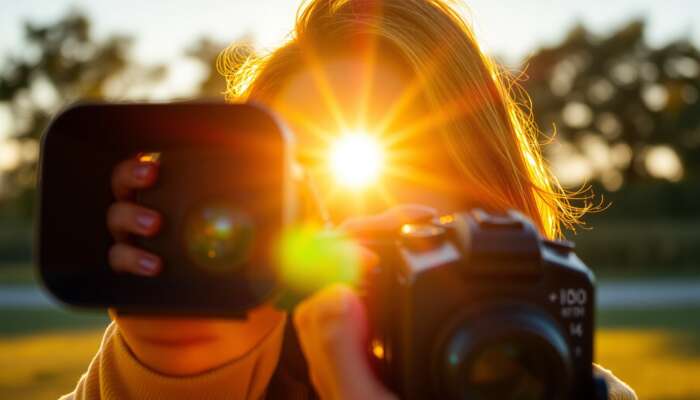
Lighting is a fundamental element of photography that profoundly influences the mood, tone, and overall quality of your images. Mastering both natural and artificial light sources is essential for achieving optimal exposure and creating desired effects in various shooting conditions and environments.
Natural light fluctuates throughout the day, impacting how colours and textures are perceived in your photographs. The golden hour, characterised by warm and soft light, enhances vibrancy and adds a magical quality to your images. In contrast, harsh midday sunlight can create stark shadows; employing reflectors or diffusers can help achieve more balanced lighting results, ultimately enhancing the overall visual impact of your photographs.
What Are the Essential Elements of a Scene for Effective Composition?
Identifying and effectively utilising key elements within a scene is critical for transforming ordinary images into extraordinary visual experiences. Understanding the roles of foreground, background, and focal points can significantly improve your composition, ensuring that each photograph tells a compelling story.
The foreground serves as a foundational element, adding depth and context to your images. Including interesting features in the foreground can create layers that entice viewers to engage more deeply with the scene, drawing them into your composition. Furthermore, the background plays a vital role; a cluttered or distracting backdrop can detract from the main subject, diminishing the overall impact of your photograph and obscuring the intended message.
| Element | Role | Impact |
|---|---|---|
| Foreground | Adds depth and context to the scene. | Enhances viewer engagement and interest. |
| Background | Supports or distracts from the subject. | Affects the overall composition quality and clarity. |
How Can You Balance Colours and Textures in Your Photographic Work?
The relationship between colours and textures significantly enhances the overall composition and emotional resonance of your images. Achieving a harmonious balance between these elements can elevate visual interest and create a sense of depth in your photographs, making them more engaging and impactful.
When considering colours, reflect on the emotional responses they evoke in viewers. Warm tones often convey energy and excitement, while cooler tones evoke feelings of calm and serenity. Understanding colour theory can help you apply these concepts effectively in your photography, ensuring that your images resonate with your audience on a deeper level.
Textures introduce another layer of richness to your images. Capturing textures effectively requires careful attention to light; side lighting can enhance surface details, making subjects appear more dimensional and engaging, thus drawing the viewer's eye further into the scene and creating a more immersive experience.
Why Is It Important to Experiment with Different Angles in Photography?
Experimenting with various shooting angles can dramatically alter the narrative and visual storytelling of your photographs. Trying out high, low, or unconventional perspectives not only adds dynamism but also allows you to convey unique stories and viewpoints that challenge conventional perceptions.
Shooting from a low angle can create a sense of grandeur, making your subject appear larger-than-life and more impactful. Conversely, a high angle view can evoke feelings of vulnerability, offering a fresh perspective on familiar scenes and subjects and encouraging viewers to see the world through your lens.
What Advantages Can You Gain from Using Editing Software?
Selecting the right editing software is crucial for enhancing your photography and realising your creative vision. Popular programmes like Adobe Lightroom, Photoshop, and Capture One each offer unique features tailored to different editing needs and preferences, making them indispensable tools for photographers.
Lightroom is often preferred for its intuitive interface and robust organisational capabilities, enabling non-destructive editing that preserves the integrity of your images while allowing for experimentation. This flexibility is essential for photographers looking to refine their work and achieve their desired artistic outcomes.
Photoshop provides an extensive array of tools for retouching and complex image manipulation, making it ideal for those wishing to explore advanced editing techniques. Alternatively, Capture One is highly regarded for its superior colour grading and tethering capabilities, catering specifically to professional photographers seeking advanced control over their editing processes.
What Practical Steps Can You Take to Become a Better Photographer?
Mastering the art of photography requires commitment, practice, and continuous learning. Begin by establishing clear, achievable goals that align with your current skill level, then break down your learning into manageable steps. Focus on specific aspects such as composition, lighting techniques, or post-processing methods to progressively enhance your skills and knowledge.
Engaging in hands-on exercises that challenge your technical abilities is vital. Set up various scenarios to experiment with different settings, solidifying your understanding of photographic principles and boosting your confidence in your craft as you develop your unique style and voice.
How Can You Adapt to the Unique Environments of San Miguel de Allende?
San Miguel de Allende presents a distinctive setting characterised by its unique lighting conditions, vibrant colours, and rich cultural textures. To authentically capture the essence of the city, it is essential to adapt your techniques and recognise these distinctive attributes that make the location truly special.
The local markets in San Miguel de Allende are a treasure trove of photographic opportunities. When navigating these lively environments, frame your shots to highlight the vibrant colours and unique textures that define the city. Utilising a shallow depth of field can help isolate your subject, creating a more impactful image and ensuring that the viewer's attention is drawn precisely where you intend. For transportation options, see our guide on local transport.
What Effective Strategies Can Foster Your Creative Growth?
Developing a personal photographic vision involves embracing creativity and innovation in your work. Establish a routine that includes iterative editing methods and experimentation with various styles and techniques after capturing images, which can lead to unexpected and exciting results.
Seek out new experiences and diverse subject matter to broaden your perspective. Attend workshops, explore different locations, or experiment with various photography genres to expand your skills and creative vision. Collaborating with fellow photographers creates a supportive environment that nurtures growth and inspiration, allowing you to learn from others and share your insights.
What Key Principles Can You Learn from Photography Professionals?
Leveraging the knowledge and insights of seasoned professionals can significantly enhance your long-term photography skills. Regularly evaluating your portfolio allows you to identify strengths and weaknesses, guiding your development in targeted areas and helping you to refine your personal style.
Consider seeking constructive critiques from experienced photographers. Receiving feedback from a knowledgeable perspective can illuminate areas for improvement, offering insights that may not have been previously recognised and fostering an environment of continuous growth.
By embracing these strategies and absorbing valuable insights, you can elevate your photography skills and create stunning images that encapsulate the essence of San Miguel de Allende, ultimately leading to a more fulfilling and rewarding photographic journey.
The Article: Photography Guide for San Miguel de Allende: Essential Tips appeared first on https://fallinginlovewithsanmiguel.com/
The Article San Miguel de Allende Photography Guide: Essential Tips Was Found On https://limitsofstrategy.com
The Article Photography Guide for San Miguel de Allende: Essential Tips found first on https://electroquench.com