Comprehensive Breakdown of Vitamin D Blood Testing Services in Hull
What Can You Expect from a Vitamin D Blood Test?
Private Vitamin D Blood Test in Hull: A vitamin D blood test is a straightforward yet crucial procedure that measures vitamin D levels in your bloodstream. This essential nutrient plays a vital role in maintaining strong bone health and bolstering immune function. In Hull, where seasonal changes can notably affect sunlight exposure, taking this test is particularly important. The procedure typically involves a simple blood draw at local healthcare facilities, ensuring quick results that can highlight any deficiencies. Given that vitamin D deficiency is prevalent across the UK, especially in areas like Hull, knowing one’s vitamin D status is essential for making informed decisions about supplementation and dietary modifications.
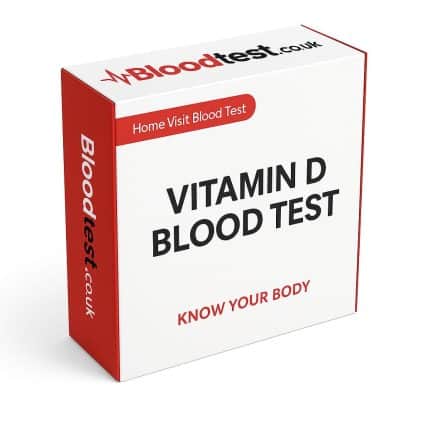

Once the blood sample is obtained, it is sent to a laboratory for analysis, where the vitamin D concentration is accurately assessed. The results can reveal whether an individual is deficient, has sufficient levels, or has an excess of vitamin D. This information is particularly beneficial for Hull residents, empowering them to make informed health decisions. Regular testing acts as a proactive measure that helps prevent health issues associated with low levels of vitamin D, such as osteoporosis and an increased risk of infections.
How is the Vitamin D Blood Test Administered in Hull?
In Hull, the vitamin D blood test is conducted as an outpatient procedure, allowing minimal disruption to the patient’s daily routine. The process begins with a healthcare professional drawing a small blood sample from a vein, typically in the arm. This quick and minimally invasive procedure generally takes just a few minutes. Ensuring a smooth experience is vital, as many individuals may feel anxious about blood tests. Healthcare facilities in Hull are well-equipped to provide a supportive atmosphere that helps alleviate any concerns.
Once collected, the blood sample is sent to a laboratory for comprehensive analysis. UK laboratories utilise advanced techniques to guarantee precise results. The rapid turnaround time for results means that patients can receive immediate feedback about their vitamin D status, allowing for early detection of any deficiencies. This timely response is especially important in Hull, where seasonal variations in sunlight can lead to fluctuations in vitamin D levels within the community. Regular monitoring ensures that any potential deficiencies are promptly addressed, fostering improved health outcomes.
Key Advantages of Vitamin D Testing in the UK
Participating in regular vitamin D testing offers a multitude of benefits, particularly for those residing in Hull. Gaining insight into one’s vitamin D status can profoundly influence overall health and wellbeing. Here are several key advantages tailored to the local community:
- Boosted Energy Levels: Regular testing can identify deficiencies that might contribute to fatigue and low energy.
- Strengthened Bone Health: Adequate vitamin D is crucial for calcium absorption, which fortifies bones and diminishes the risk of fractures.
- Reduced Illness Risk: Keeping optimal vitamin D levels can enhance immune response, lowering the chances of respiratory infections, particularly during the winter months.
- Elevated Mood: Sufficient vitamin D levels are associated with improved mental health and may help alleviate seasonal affective disorder (SAD), which is prevalent during Hull’s gloomy winters.
- Informed Supplementation Strategies: Understanding one’s levels allows for tailored supplementation approaches, ensuring individuals receive appropriate doses based on their specific needs.
- Smart Dietary Adjustments: Test results can guide dietary modifications, including incorporating vitamin D-rich foods to bolster health.
- Proactive Health Management: Regular monitoring encourages a proactive approach to health, enabling timely interventions and reducing long-term health risks.
- Community Health Awareness: Heightened awareness of vitamin D deficiencies can inspire greater community efforts and public health campaigns in Hull.
In summary, the benefits of consistent vitamin D testing extend far beyond individual health; they contribute to cultivating a healthier community in Hull by fostering awareness and preventive care.
How Can You Prepare for a Vitamin D Blood Test in Hull?
Essential Preparation Steps for Accurate Testing
<pPreparing for a vitamin D blood test is vital to ensure accurate results. Patients in Hull are generally advised to adhere to specific guidelines to optimise their testing experience. Consulting with local GPs for tailored advice based on individual health circumstances is usually recommended. In certain cases, fasting may be suggested, although it is not always a strict requirement. Furthermore, avoiding particular supplements, especially vitamin D, for several days prior to testing may be wise to ensure baseline levels are accurately measured.
Individuals should prioritise proper hydration ahead of the test, as adequate hydration can facilitate a smoother blood draw. Local healthcare providers in Hull will provide guidance on whether any dietary restrictions are necessary. It is also essential to disclose any medications being taken, as certain drugs can impact vitamin D levels. This preparatory step is crucial for obtaining reliable results, allowing healthcare professionals to provide informed recommendations based on precise information.
Recommended Precautions Before Undergoing the Test
Taking standard precautions prior to a vitamin D blood test can help minimise potential complications during the procedure. Patients should avoid engaging in strenuous physical activities on the day of the test. This ensures comfort and prevents atypical physiological responses that could skew results. Additionally, informing the clinician about any ongoing medications is crucial, as this transparency aids healthcare providers in accurately interpreting results and ensures that all factors affecting vitamin D levels are considered.
Patients are encouraged to arrive at the testing facility feeling well-rested and relaxed. Anxiety can sometimes elevate heart rates or trigger other physiological changes that may distort results. Maintaining a calm state can be beneficial in achieving the most accurate assessment possible. Should individuals have any concerns or questions, discussing them with healthcare professionals beforehand can help alleviate anxiety and clarify what to expect. The aim is to create an environment where patients feel supported and informed, thus enhancing the overall testing experience.
What Should You Anticipate During the Test?
During the vitamin D blood test, patients can expect a straightforward process designed for their comfort. Initially, a healthcare professional will explain the procedure, which typically involves a brief sting as the needle is inserted to draw blood. This sensation is generally minimal and lasts only a moment, making the test relatively painless. The blood is collected into a vial, and the entire process usually takes less than ten minutes.
Following the test, healthcare professionals in Hull are committed to promptly discussing the results with patients. This follow-up is vital for helping individuals comprehend the significance of their vitamin D levels and their implications for overall health. Patients are encouraged to ask questions to clarify any uncertainties regarding their results or the impact on their health management. This open dialogue further educates individuals on the role of vitamin D in maintaining wellbeing, fostering a supportive environment that prioritises patient understanding and comfort.
Expert Perspectives on Vitamin D Testing in Hull
In-depth Examination of Vitamin D Test Results
Interpreting the results of a vitamin D blood test requires a nuanced understanding of individual health profiles and local data. In Hull, healthcare professionals emphasise the importance of correlating test outcomes with lifestyle factors. For example, low vitamin D levels may be prevalent among individuals with limited sun exposure due to Hull’s geographical position and climate. Experts recommend tailored approaches based on these results, which may involve specific lifestyle modifications or supplementation strategies.
Patients exhibiting low vitamin D levels are often encouraged to enhance their intake of foods rich in vitamin D, such as oily fish, fortified cereals, and dairy products. Additionally, healthcare providers may recommend safe sun exposure practices to augment natural vitamin D synthesis. Regular follow-up testing is essential for monitoring progress and adjusting treatment plans as necessary. This proactive management style empowers patients to take control of their health, fostering a collaborative relationship with local healthcare providers.
Real-life Case Studies Demonstrating the Importance of Testing in Hull
Real-world examples from Hull highlight the significance of early vitamin D testing and its impact on health outcomes. For instance, a local case involved a middle-aged woman who reported chronic fatigue and muscle weakness. Following her healthcare provider’s suggestion to undergo testing, she was found to have significantly low vitamin D levels. After this diagnosis, she was placed on a tailored supplementation plan and advised regarding dietary changes. Within a few months, she reported a notable improvement in her energy levels and overall wellbeing.
Such instances illustrate how vitamin D testing can prompt timely interventions, preventing symptom exacerbation and enhancing health management. Furthermore, local health initiatives often leverage aggregated testing data to inform community health strategies, raise awareness of vitamin D deficiency, and promote preventive health measures. By sharing these narratives, healthcare providers in Hull can motivate others to seek testing and prioritise their health, cultivating a culture of wellness and proactive care.
Actionable Recommendations from Health Experts in Hull
Guidance from specialists in Hull underscores the necessity of integrating regular vitamin D testing into routine healthcare check-ups. Healthcare practitioners recommend that individuals, particularly those at heightened risk, such as older adults and those with limited sun exposure, include vitamin D assessment as part of their annual health evaluations. This strategy enables consistent monitoring of vitamin D levels, facilitating timely interventions when deficiencies are identified.
Moreover, specialists advocate for patient education on lifestyle adjustments to help maintain healthy vitamin D levels. Practical steps include encouraging more outdoor activities, especially during sunnier months, and recommending dietary changes to include vitamin D-rich foods. Additionally, healthcare professionals emphasise the importance of maintaining regular communication with patients, equipping them with strategies to uphold optimal health and inspiring them to be proactive about their vitamin D status. This participatory approach enhances patient engagement, ultimately contributing to improved health outcomes within Hull’s community.
What Are the Symptoms of Vitamin D Deficiency in Hull?
How Are Symptoms of Deficiency Manifested in the UK?
Symptoms of vitamin D deficiency can present in various forms, significantly affecting one’s quality of life. In Hull, common symptoms include persistent fatigue, bone pain, and mood fluctuations. Many individuals may experience a general sense of malaise, often attributing this to other lifestyle factors. However, recognising these symptoms as potential indicators of low vitamin D levels is crucial for timely intervention. Early detection through testing can lead to effective management strategies that greatly enhance overall wellbeing.
Moreover, the psychological ramifications of vitamin D deficiency should not be underestimated. Research has shown a correlation between low vitamin D levels and increased rates of depressive symptoms, which can be particularly concerning during Hull’s winter months when sunlight exposure is limited. Patients experiencing these symptoms are encouraged to discuss them with their healthcare providers, as addressing vitamin D levels can lead to substantial improvements in both physical and mental health.
Identifying Causes and Risk Factors for Deficiency
Understanding the causes and risk factors of vitamin D deficiency is paramount for effective prevention. In Hull, limited sunlight exposure due to geographical and climatic conditions significantly raises the risk of deficiency, particularly during the autumn and winter months. Individuals who spend the majority of their time indoors, such as office workers or those with mobility challenges, are at an increased risk. Additionally, factors such as darker skin tones and certain medical conditions can impede the body’s ability to synthesise vitamin D from sunlight, further complicating the issue.
Other risk factors include dietary habits that lack sufficient vitamin D-rich foods, which could stem from an imbalanced diet or lifestyle choices. Being aware of these risk factors empowers Hull residents to adopt proactive measures, such as pursuing testing and considering dietary changes or supplementation. Public health campaigns in the area aim to raise awareness of the significance of vitamin D and encourage individuals to take ownership of their health, ultimately reducing the prevalence of deficiencies in the local population.
Strategies for Preventing Vitamin D Deficiency
Preventing vitamin D deficiency involves a multifaceted approach that incorporates lifestyle changes and dietary adjustments. Hull residents can benefit from practical tips tailored to their environment:
- Prioritise Foods Rich in Vitamin D: Focus on incorporating oily fish, fortified dairy products, and egg yolks into your diet.
- Engage in Daily Outdoor Activities: Aim for at least 20 minutes of sun exposure several times a week, especially during spring and summer.
- Consider Supplement Options: Consult with healthcare providers regarding vitamin D supplements, particularly during winter.
- Regular Testing is Essential: Schedule vitamin D blood tests annually to monitor levels and adjust intake as necessary.
- Commit to Ongoing Education: Learn about the importance of vitamin D and its sources to make informed dietary decisions.
- Participate in Community Activities: Get involved in local outdoor events to increase sun exposure and raise awareness about vitamin D deficiency.
- Encourage Family Involvement: Promote healthy habits among family members to ensure that everyone’s vitamin D levels are optimal.
- Utilise Sun Protection Wisely: Balance sun exposure with skin protection by applying sunscreen after safe sun exposure durations.
By implementing these strategies, Hull residents can significantly reduce their risk of vitamin D deficiency, fostering a healthier community in the process.
Diagnostic Techniques Utilised in Hull
In Hull, diagnosing vitamin D deficiency primarily relies on blood tests and comprehensive evaluations conducted at local clinics. The vitamin D blood test is a fundamental diagnostic tool that enables healthcare professionals to accurately assess an individual’s vitamin D status. Early detection through these tests is critical in preventing the escalation of deficiency-related symptoms, thus ensuring timely and effective health interventions.
NHS services in Hull facilitate accessible testing options, encouraging residents to seek evaluation. Healthcare providers typically consider symptoms, risk factors, and lifestyle habits as part of the diagnostic process, allowing for a well-rounded understanding of each patient’s situation. Once diagnosed, individuals can collaborate with their healthcare professionals to develop a personalised management plan. This proactive strategy significantly enhances health outcomes, particularly for those at greater risk of deficiency.
Effective Treatment Options for Vitamin D Deficiency
Effectively treating and managing vitamin D deficiency involves a combination of dietary changes and supplementation. For residents of Hull, healthcare providers frequently recommend dietary modifications that include foods rich in vitamin D, such as fatty fish, fortified cereals, and dairy products. Additionally, vitamin D supplements may be prescribed, especially for those with significantly low levels or identifiable risk factors.
Regular monitoring is essential to ensure sustained improvement in vitamin D levels. Scheduled follow-ups allow healthcare providers to adjust supplement dosages and dietary recommendations as needed. This approach ensures that individuals receive the support they need to maintain optimal vitamin D levels and overall health. By adhering to the guidelines established by healthcare professionals, Hull residents can effectively manage their vitamin D status, alleviating symptoms and enhancing their quality of life.
Evidence-Based Benefits of Vitamin D Testing in Hull
Scientific Support for Testing Effectiveness
Scientific research from UK studies confirms the efficacy of vitamin D testing in accurately identifying deficiencies. The data supports the notion that regular testing is not only beneficial but essential for maintaining optimal health, particularly in regions like Hull, where environmental factors limit sunlight exposure. Health authorities endorse these findings, promoting routine testing as a preventive measure to avert the long-term consequences of vitamin D deficiency.
As healthcare providers in Hull implement testing protocols, they rely on evidence-based practices to bolster their recommendations. Understanding the correlation between low vitamin D levels and various health issues reinforces the importance of early detection. This evidence empowers healthcare professionals to make informed decisions that enhance patient care, leading to better health outcomes for the community.
Health Improvements Linked to Regular Testing
Regular monitoring of vitamin D levels can lead to enhanced health outcomes in Hull, bolstering immune function and reducing the risks of chronic diseases. Consistent testing enables healthcare professionals to identify deficiencies early and implement necessary interventions. For instance, patients who maintain optimal vitamin D levels are less likely to experience respiratory infections, a significant concern during colder months.
Moreover, real-world examples demonstrate the long-term benefits of regular testing. Residents who engage in consistent monitoring often report fewer health complications and improved overall wellbeing. By integrating vitamin D testing into routine health evaluations, Hull residents can proactively manage their health, fostering a culture of prevention and wellness that benefits the entire community.
Effective Strategies for Implementing Routine Testing
Integrating regular vitamin D testing into healthcare routines necessitates strategic planning and community involvement. Healthcare providers in Hull advocate for scheduling tests during annual health check-ups, ensuring that monitoring becomes part of comprehensive healthcare assessments. This proactive approach encourages residents to prioritise their vitamin D status, leading to more informed health decisions.
Additionally, educational initiatives can highlight the importance of vitamin D testing, equipping residents with accessible information about its benefits and the availability of testing services. Community outreach efforts can facilitate workshops and seminars to raise awareness, helping to destigmatise testing and promote proactive health management. By fostering an environment of support and education, Hull can nurture a community that prioritises health and wellbeing.
Economic and Accessibility Challenges Surrounding Vitamin D Testing in Hull
The economic and accessibility dimensions of vitamin D testing play a pivotal role in advancing public health in Hull. Studies reveal that providing affordable testing options significantly reduces barriers to access, enabling more residents to prioritise their health. NHS services in Hull deliver cost-effective testing solutions, ensuring that vitamin D assessments remain accessible to all community members.
Furthermore, the long-term financial advantages of preventing vitamin D deficiency through regular testing cannot be overstated. By addressing deficiencies early, individuals can potentially avoid more serious health issues that may require extensive medical treatment. Local health authorities frequently conduct economic analyses to demonstrate how integrated testing can yield long-term cost savings, bolstering the case for comprehensive public health initiatives focused on vitamin D awareness and prevention.
Where Can Residents of Hull Access a Vitamin D Blood Test?
Local Facilities Offering Testing Services
Residents of Hull have numerous local facilities to choose from for accessing a vitamin D blood test. NHS hospitals and clinics throughout the city provide easy access to testing, ensuring residents can get tested quickly and conveniently. These facilities are staffed with trained professionals who recognise the importance of vitamin D and are committed to delivering quality care.
To schedule a test, individuals can visit their local GP or health centre. Many clinics allow online appointment bookings, streamlining the process for busy residents. This accessibility is crucial, as it encourages individuals to prioritise their health and seek testing when necessary. The focus on local services reflects a commitment to community health, ensuring that all Hull residents can access essential testing and care.
How to Successfully Arrange an Appointment for Testing?
Booking an appointment for a vitamin D blood test in Hull can be straightforward. Residents can directly contact their GP to schedule an appointment. Numerous local healthcare providers also offer online booking systems, allowing individuals to secure their appointments conveniently. This modern approach not only enhances accessibility but also promotes timely testing, aiding in the efficient addressing of vitamin D concerns.
When booking an appointment, individuals should be prepared to provide basic personal details and any relevant health history. This information can assist healthcare providers in understanding the patient’s specific needs and risk factors. Prompt access to testing is vital, particularly for those experiencing symptoms associated with vitamin D deficiency. This proactive approach ensures that residents receive the necessary care without unnecessary delays.
Post-Test Follow-Up Procedures to Anticipate
After a vitamin D blood test, patients need to follow up with their healthcare providers in Hull. Discussing the test results is a crucial step in understanding one’s health status and making informed decisions regarding vitamin D management. Local healthcare professionals are dedicated to providing clear explanations of results, ensuring that patients fully grasp the implications for their health.
Additionally, follow-up appointments often involve crafting a personalised plan based on the test results. This may include recommendations for dietary adjustments, supplementation, or further testing, depending on individual circumstances. Engaging in these follow-up procedures fosters a collaborative approach to health management, empowering patients to take charge of their wellbeing in partnership with their healthcare providers.
Strategies for Sustaining Optimal Vitamin D Levels in Hull
Recommended Dietary Practices for Hull Residents
Maintaining optimal vitamin D levels is essential for overall health, and dietary choices play a significant role in achieving this. Residents of Hull are encouraged to include a variety of vitamin D-rich foods in their diets. Foods such as oily fish, including salmon and mackerel, are excellent sources of vitamin D. Furthermore, fortified products like milk, yoghurt, and cereals can contribute significantly to daily intake, making these items vital staples for local diets.
Moreover, egg yolks and certain mushrooms also provide vitamin D, allowing for diverse dietary options. Given Hull’s climate can limit sun exposure, focusing on dietary sources becomes increasingly important, especially during the winter months. By planning meals that incorporate these nutrient-rich foods, residents can effectively support their vitamin D levels and promote better overall health.
What Are the Best Practices for Safe Sun Exposure?
Striking a balance between sun exposure and skin protection is key to maintaining adequate vitamin D levels. Hull residents are encouraged to maximise safe sun exposure, especially during the sunnier months of the year. Aim for at least 20 minutes of direct sunlight several times a week, particularly around midday when UVB rays are at their strongest. However, it is crucial to apply sunscreen after this period to protect the skin from harmful effects.
Individuals with darker skin tones may require longer periods of sun exposure to produce sufficient vitamin D, highlighting the need for personalised advice tailored to skin type. Additionally, wearing protective clothing and seeking shade during peak sun hours can help mitigate risks while still allowing for effective vitamin D synthesis. Awareness of these strategies is essential for residents to safely and naturally increase their vitamin D levels.
Practical Lifestyle Adjustments for Vitamin D Prevention
Implementing lifestyle adjustments can significantly help prevent vitamin D deficiency. Hull residents are encouraged to adopt daily habits that support overall health and wellbeing. Here are some practical suggestions:
- Engage in Regular Exercise: Participate in outdoor activities whenever possible to promote both physical health and sun exposure.
- Plan Meals Wisely: Integrate vitamin D-rich foods into weekly meal plans to ensure adequate intake.
- Involve Family Members: Encourage family members to engage in outdoor activities, fostering a community approach to health.
- Practice Mindfulness: Incorporate stress-reducing activities, such as yoga, to enhance overall wellbeing.
- Stay Informed: Keep abreast of local health initiatives related to vitamin D awareness and prevention.
- Participate in Social Events: Engage in local health-focused events to promote community awareness of vitamin D’s significance.
- Schedule Regular Health Check-ups: Arrange routine visits with healthcare providers to monitor vitamin D status and overall health.
- Limit Processed Food Intake: Reducing processed food consumption can lead to healthier overall dietary choices.
By adopting these lifestyle habits, Hull residents can proactively support their vitamin D levels, ultimately contributing to a healthier community.
Frequently Asked Questions Regarding Vitamin D Testing
What does a vitamin D blood test involve?
A vitamin D blood test measures the amount of vitamin D in your bloodstream, assisting in identifying deficiencies that could impact bone health and immune function.
How is the test carried out?
The test consists of a simple blood draw, typically from the arm, taking only a few minutes to complete at local healthcare facilities.
Why is testing important in Hull?
Testing is crucial in Hull due to limited sunlight exposure, particularly during winter months, which increases the risk of vitamin D deficiency among residents.
What are typical symptoms of vitamin D deficiency?
Common symptoms include fatigue, bone pain, mood changes, and muscle weakness, all of which can significantly affect daily life if left unaddressed.
How can I prepare for the test?
Preparation may involve discussing dietary restrictions or medications with your healthcare provider. Staying hydrated is also advisable.
What happens after the test?
After the test, healthcare providers will review results and outline potential next steps for treatment or lifestyle adjustments based on vitamin D levels.
How often should I undergo testing?
It is typically recommended to get tested annually, especially if you possess risk factors for deficiency or experience related symptoms.
Can I obtain vitamin D from my diet?
Yes, foods such as oily fish, fortified dairy products, and egg yolks are excellent sources of vitamin D that can help maintain healthy levels.
Which supplements should I consider?
Consult with your healthcare provider regarding suitable vitamin D supplements, particularly during winter months when sunlight exposure is minimal.
Are there any risks associated with vitamin D testing?
Vitamin D testing is generally safe, with minimal risks linked to the blood draw process. It is a routine healthcare practice.
Join our community on Facebook!

This Article Was First Found On https://bloodtest.co.uk
The Article Vitamin D Blood Test: Your Essential Health Guide in Hull found first on https://electroquench.com