Discover the Reasons Behind Your Google SERPs Ranking Decline and Implement Proven Recovery Strategies
 The recent fluctuations in Google SERPs have raised significant alarm within the SEO community. Websites are experiencing sudden drops in visibility, with reports indicating complete removal from the index, a total halt of Discover traffic since May 13, and alarming traffic decreases of up to 30% across various sectors.
If you have noticed unpredictable behaviour in your rankings, take comfort in knowing you are not alone. This situation offers a critical chance to implement decisive measures that can safeguard your online presence and enhance audience engagement.
What Trends Are Emerging in Google SERPs as We Approach Mid-2026?
The current SEO environment is exhibiting considerable instability as we progress through May 2026. Emerging trends mirror the disruptions witnessed during the March 2026 core update.
Industry experts have reported a new wave of volatility, characterised by numerous sites disappearing from search results and severe traffic fluctuations becoming increasingly common.
Identifying Key Indicators of Ongoing Instability in Google SERPs:
- – Some publishers have reported a complete absence of Discover traffic since May 13
- – Traffic drops of 30% in a single day across various industries
- – Numerous sites have vanished entirely from the Google index
- – Ranking tools are struggling to keep up with rapid shifts in SERP outcomes
These changes are not typical weekend variations. The magnitude and frequency of these reports suggest that Google is conducting ongoing adjustments to its algorithms, refining its criteria for evaluating content quality and authority signals.
Exploring the Broader Context of Google SERPs Volatility: A Chaotic Year for SEO
The volatility observed this May is part of a wider trend. The year 2026 is shaping up to be one of the most tumultuous in SEO history, particularly following the December 2025 core update. The SEMrush Sensor has consistently indicated volatility levels of around 9.5/10, signalling extremely high fluctuations, making daily ranking changes commonplace across many sectors.
This trend implies that Google is implementing continuous, often unannounced algorithm updates to deter ranking manipulation. Unfortunately, this strategy undermines the stability businesses previously relied on for their online visibility.
Why Should You Consider Rankings as Only One Measure of Your Success?
A crucial lesson from the recent instability is that securing ranking #1 does not automatically equate to increased traffic. This reality has become clearer as Google incorporates AI overviews, shopping modules, and other features into the SERPs, pushing organic results lower down the search page.
Concerns Raised by Publishers and Site Owners:
- My rankings remain stable.
- My traffic has vanished.
- My impressions have dramatically decreased.
These outcomes may arise when 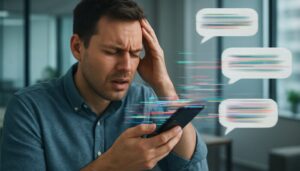
- AI Overviews attract users before they consider visiting your site
- Google reduces Discover distribution based on changes in quality signals
- Adjustments in Google SERPs layout push organic results lower on the search page
- AI systems reinterpret query intent
The overall effect is that traditional ranking metrics alone are no longer sufficient. It is essential to monitor impressions, click-through rates (CTR), and visibility across all Google surfaces, rather than solely concentrating on standard blue links.
Understanding the Visibility Squeeze: What Factors Are Driving the Instability?
Several critical shifts in Google SERPS are contributing to the ongoing volatility:
1. Decreased Organic Visibility
Traditional listings are being increasingly overshadowed by advertisements, AI overviews, product listings, and other SERP features. Any alterations to these components directly impact your click-through rates.
2. AI-Driven Results Providing Instant Answers
Google now supplies answers directly within the SERP, often reducing the necessity for users to click through to external websites. This shift fundamentally modifies the value proposition of achieving high rankings.
3. Heightened Emphasis on Entity and Authority Signals
Mentions, brand recognition, and off-site visibility are gaining importance in content evaluation. While traditional SEO signals, such as links and keywords, remain relevant, they do not encompass the entire evaluation process.
4. Unpredictable Ranking Stability
Frequent algorithm updates and recalibrations by AI systems are resulting in continuous fluctuations, rather than the stability many had come to expect.
A solid foundation in Google SERPS SEO, high-quality content, and technical optimisation are no longer sufficient for success. Positive results increasingly depend on developing a recognizable brand, enhancing visibility beyond your website, and aligning your strategies with how search engines and AI systems interpret authority and user intent.
What Immediate Actions Should SEO Professionals Implement?
Step 1: Conduct a Comprehensive Traffic Source Audit
Do not aggregate all your traffic data together. Instead, segment your analytics according to:
- Traditional organic search traffic
- AI overviews and featured snippets
- Discover traffic metrics
- Visibility in Google News
Each traffic channel presents unique optimisation requirements. A decline in Discover traffic may signify a different underlying issue compared to a drop in conventional rankings.
Step 2: Enhance Your Answer Engine Optimisation (AEO)
To ensure AI systems can effectively reference your content, it is essential to create material that they can easily extract. This includes:
- Providing concise direct answers (40-60 words) at the beginning of crucial pages
- Utilising structured lists and tables that AI can process effortlessly
- Incorporating FAQ sections that address common questions pertinent to your niche
- Establishing clear headings that follow a question-and-answer format
- Implementing schema markup to assist search engines in comprehending your content structure
Step 3: Develop a Distributed Authority Strategy
Brand mentions across diverse platforms—including YouTube, news outlets, Reddit, and industry forums—are now strongly correlated with visibility in AI-driven results. This “distributed authority” strategy is becoming more crucial than traditional link-building practices alone.
Focus on:
- Consistent mentions of your brand across relevant online platforms
- Transparency regarding authorship and credentials
- Producing original research and data that other sites will reference
- Actively participating in industry discussions and publications
Step 4: Closely Monitor SERP Feature Adjustments
Set up alerts for changes in:
- The availability of AI overviews for your target queries
- The ownership of featured snippets
- Visibility in local packs and shopping modules
- The prominence of video and image search results
Tools such as SEMrush and Ahrefs can assist in tracking these changes, but manual spot-checking remains an invaluable practice.
Step 5: Resist the Urge for Impulsive Edits
In times of volatility, the worst approach is to rewrite everything all at once. Instead:
- Document changes with screenshots and data
- Analyse the performance of successful versus unsuccessful pages on your site
- Allow 7-14 days before implementing significant structural changes
- Prioritise quick wins (such as schema markup and AEO enhancements) while continuing to monitor
How Should This Influence Your SEO Strategy in the Future?
The era of “set it and forget it” SEO is over. The current landscape demands:
- Continuous monitoring across various Google surfaces
- Prompt responses to algorithmic shifts
- Diverse traffic sources extending beyond traditional search
- Brand development as a pivotal component of SEO
- Content designed for AI extraction, catering to both human readers and algorithms
The recent behaviour of Google SERPs indicates a long-term evolution in the search environment. Rankings are becoming less stable, visibility is increasingly fluid, and performance metrics can shift rapidly, even without direct action on your part.
For businesses, this underscores the necessity to adapt to a more dynamic online landscape. Success will be rooted in maintaining robust visibility across multiple touchpoints, monitoring overarching performance trends, and continually investing in quality content and authoritative branding.
Subscribe to Our Mailing List for More Insights on SEO Strategies
 |
This Report Was Compiled By:
|
|
|---|
May 19, 2026 | References for SEO Trends
1. [Great Ape Digital – Google’s 2026 Ranking Volatility Crisis](https://www.greatape.digital/articles/seo/googles-2026-ranking-volatility-crisis-whats-really-happening-to-seo/)
2. [UnReal Web Marketing – Google Search Ranking Volatility Extended Report 2026](https://unrealwebmarketing.com/blog/google-search-ranking-volatility-heats-up-extended-report-2026-edition/)
3. [Search Engine Roundtable – March 2026 Spam Update Coverage](https://www.seroundtable.com/google-march-2026-spam-update-41109.html)
4. [SEMrush Sensor – Volatility Tracking](https://www.semrush.com/sensor/)
5. [Search Engine Land – 75 SEO Thought Leaders on GEO Debate](https://searchengineland.com/seo-thought-leaders-geo-debate-research-467766)
6. [Reddit SEO Community – Ranking Drop Reports](https://www.reddit.com/r/seo/)
Stay informed about your SEO performance with these insights. For further information on answer engine optimisation and building brand authority, check out our overview of SEO services (https://marketing-tutor.com/blog).
The Article Google SERPS May 2026 Update And Why Your Rankings May Be Collapsing was first published on https://marketing-tutor.com
The Article Google SERPs Update: Why Your Rankings Could Drop in 2026 Was Found On https://limitsofstrategy.com
The Article Google SERPs Update: Potential Ranking Drops in 2026 was initially published on https://electroquench.com