Mastering the Chaikin Money Flow (CMF): An In-Depth Guide for Traders
Grasping the Essentials of the Chaikin Money Flow Indicator

The Chaikin Money Flow (CMF) is an essential indicator in trading, used to assess buying and selling pressure across various market scenarios. By analysing both volume and price data, CMF reveals whether an asset is experiencing an accumulation or distribution phase. This powerful tool enables traders to evaluate the strength of momentum across different asset classes, providing critical insights into the prevailing market sentiment. A deep understanding of this indicator is crucial for making informed trading decisions, as it can highlight potential reversals and confirm ongoing trends, thus enhancing trading strategies.
The foundation of CMF lies in calculating the money flow volume over a specific period, typically set to 20 days. By reviewing this data, traders can discern whether the market is leaning towards buyers or sellers. A positive CMF reading generally suggests accumulation, while a negative reading indicates distribution. This dual functionality makes CMF an invaluable resource for traders navigating the complexities of global financial markets, enabling them to make more strategic decisions.
What distinguishes CMF from other oscillators is its unique combination of price action and volume analysis. Unlike many indicators that focus exclusively on price changes, CMF incorporates volume to identify divergences that may signal potential reversals. This distinctive feature makes it a vital part of a trader’s toolkit, offering insights that traditional price charts might miss, ultimately enhancing trading effectiveness.
A Comprehensive Guide to Calculating the Chaikin Money Flow Indicator
Calculating the Chaikin Money Flow (CMF) is a straightforward yet impactful process that traders can easily adopt. Begin by summing the money flow volume over a designated period, usually spanning 20 days. The money flow volume is derived by subtracting the low price from the closing price, dividing this value by the difference between the high and low prices, and then multiplying by the volume for that timeframe. This computation clearly indicates whether an asset is undergoing accumulation or distribution.
Once the total money flow volume for the specified period is obtained, divide this figure by the total volume for the same period. The result is the CMF oscillator, which delivers precise insights into the direction and intensity of market flow throughout trading sessions. Many traders make use of charting software to automate this calculation, ensuring accuracy and efficiency in their analyses, which streamlines their trading routines.
Understanding how to accurately calculate CMF is essential for traders seeking to interpret its signals effectively. Mastering this calculation allows traders to adjust their strategies based on the readings, promoting informed decision-making. This adaptability is particularly crucial in fast-moving markets where conditions can change rapidly, making accurate calculations a cornerstone of successful trading.
What Sets CMF Apart from Other Oscillators?
The Chaikin Money Flow (CMF) stands out among other oscillators due to its integration of price action and volume analysis. While many oscillators concentrate solely on price fluctuations, CMF’s dual approach provides traders with deeper insights into market dynamics. This combination aids in identifying divergences that may indicate potential reversals, giving traders a significant advantage in their decision-making processes.
Another distinguishing feature of CMF is its capacity to highlight accumulation and distribution phases. By assessing these phases, traders can more effectively gauge market momentum strength. A CMF reading above zero typically signifies that buyers are in control, while a reading below zero suggests that sellers have the upper hand. This clarity assists traders in aligning their strategies with current market conditions, significantly enhancing their chances of success.
CMF’s adaptability across various asset classes makes it a versatile tool for traders worldwide. Whether dealing with equities, forex, or commodities, CMF can be applied universally, offering valuable insights irrespective of the trading environment. This wide-ranging applicability is why CMF is a preferred choice for traders looking to navigate diverse financial landscapes with confidence.
Expert Perspectives on the Effective Use of Chaikin Money Flow (CMF)

Evaluating CMF Performance During Market Volatility
During periods of market volatility, the Chaikin Money Flow (CMF) indicator can deliver vital insights into buying and selling pressures. Experts recommend that traders adjust their calculations dynamically to accurately reflect these pressure transitions. For instance, utilising a shorter calculation period for CMF in times of high volatility allows traders to respond more swiftly to shifts in market sentiment, thereby enhancing their trading effectiveness.
Real-world examples illustrate how refining period selections can increase signal reliability. In rapidly changing markets, such as those influenced by earnings releases or geopolitical events, a shorter CMF period can facilitate more timely entries and exits. This approach enables traders to capitalise on momentum shifts that might otherwise be overlooked with standard settings, ultimately improving their trading performance.
Experienced traders often emphasise the importance of complementing CMF with additional indicators during volatile periods. Combining CMF with tools such as Bollinger Bands or the Relative Strength Index (RSI) can provide a more comprehensive perspective on market conditions. This integrated strategy helps traders filter out noise and concentrate on high-probability setups, thus improving overall trading outcomes.
Enhancing Trading Precision by Merging CMF with Volume Patterns
Integrating the Chaikin Money Flow (CMF) with volume patterns is a strategic method that significantly boosts trading efficacy. By layering CMF with complementary metrics, traders can more accurately validate their entry and exit points. For example, spotting a bullish divergence between CMF and price can confirm a potential reversal, while a bearish divergence might indicate an imminent decline.
Practical techniques for successful integration include analysing volume spikes alongside CMF readings. When a significant increase in volume coincides with a positive CMF reading, it indicates strong buyer interest, reinforcing the likelihood of upward price movement. Conversely, a negative CMF reading accompanied by high volume may suggest substantial selling pressure, prompting traders to reassess their positions and adjust their strategies accordingly.
Experts also advocate for subtle confirmation techniques that can further validate trade signals. For instance, aligning CMF readings with critical support and resistance levels can provide added context for decision-making. This comprehensive strategy not only enhances entry precision but also mitigates the risk of false signals, making it a favoured tactic among seasoned traders striving for maximum success.
Utilising Divergence Techniques with the CMF Indicator
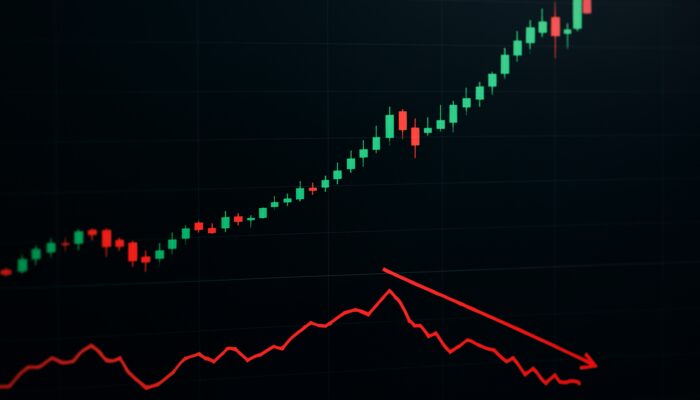
Recognising divergences with the Chaikin Money Flow (CMF) indicator is a skill that can profoundly enhance trading outcomes. Effective methods for uncovering hidden signals involve closely monitoring the relationship between CMF readings and price movements. When the price achieves a new high while the CMF does not, it often suggests weakening momentum and a potential reversal on the horizon.
Traders can adopt various strategies to effectively identify these divergences. First, regularly analyse CMF alongside price charts, looking for inconsistencies between the two. Second, drawing trendlines on both CMF and price can clarify divergence patterns. Third, incorporating candlestick analysis can provide additional context, as certain formations may accompany divergence signals, thereby enhancing their reliability.
Consistent monitoring of flow changes is crucial for successful divergence identification. Traders must maintain discipline in their analysis, as divergence signals can take time to materialise. By adopting a vigilant approach and combining CMF with other indicators, traders can sharpen their ability to detect potential market shifts before they become evident in price action, thus increasing their chances of success.
Customising CMF Settings for Varied Asset Classes
Optimising the settings of the Chaikin Money Flow (CMF) indicator is essential for maximising its predictive capabilities across different asset classes. Experts suggest adjusting the standard 20-period setting based on market liquidity and trading volume. For example, in highly liquid markets like major forex pairs, a shorter period may yield more responsive signals, whereas less liquid assets could benefit from longer periods to smooth out noise and enhance accuracy.
Case studies from both forex and equities illustrate the benefits of tailoring parameters to specific market conditions. In forex trading, a 14-period CMF may provide clearer insights during active trading sessions, while a 30-period setting could be more suitable for less volatile currency pairs. Similarly, in equity markets, adjusting CMF settings according to earnings cycles or seasonal trends can boost predictive accuracy.
Traders should also consider the broader market environment when optimising CMF settings. In trending markets, shorter periods may effectively capture rapid movements, while longer periods in ranging markets can help filter out erratic signals. By experimenting with various settings and analysing historical performance, traders can determine the optimal CMF configuration tailored to their unique trading strategies and objectives, thereby improving their success rate.
Interpreting CMF in Relation to Price Action
Interpreting the Chaikin Money Flow (CMF) indicator alongside price action represents a powerful strategy for confirming shifts in momentum and validating trade setups. Professionals often analyse CMF readings in conjunction with candlestick patterns and critical support levels to refine their decision-making processes. This integrated approach aids traders in minimising the risk of false signals and identifying clearer entry and exit opportunities in the market.
For example, when CMF indicates a positive reading while the price breaks above a significant resistance level, it can suggest a strong bullish trend. Conversely, if CMF remains negative while the price approaches a support level, it may indicate that selling pressure is likely to persist. This synergy between CMF and price action creates a more comprehensive and robust trading framework, enhancing overall effectiveness.
Traders should remain aware of market context when interpreting CMF signals. Evaluating broader market trends and relevant news events can provide valuable insights into potential price movements. By combining CMF with other technical indicators and fundamental analysis, traders can formulate a well-rounded strategy that enhances their overall trading performance in both trending and ranging markets.
How Does Chaikin Money Flow (CMF) Signal Market Trends?
Understanding the Importance of Positive Flow in CMF
Consistent readings above zero on the Chaikin Money Flow (CMF) indicator indicate strong buyer dominance in the market. This condition often precedes upward price continuations, as sustained volume supports price increases. Traders should closely monitor these implications of positive flow, as they can signify advantageous conditions for entering long positions and capitalising on bullish trends.
When CMF remains elevated, it suggests a healthy accumulation phase, indicating that buyers are actively participating in the market. This activity can encourage increased trader confidence, leading individuals to enter or maintain positions in anticipation of further price rises. Understanding these dynamics is essential for effectively profiting from bullish trends and maximising trading gains.
Traders can further refine their strategies by seeking confirmation from additional indicators. For instance, combining positive CMF readings with bullish candlestick patterns or strong support levels can provide further assurance of the trend’s strength. This multifaceted approach aids traders in making well-informed decisions, significantly increasing the likelihood of successful trades.
Understanding the Importance of Negative Flow in CMF
Readings below zero on the Chaikin Money Flow (CMF) indicator reflect seller dominance in the market. This condition frequently leads to downward price movements when distribution overtakes accumulation over time. Traders must remain vigilant when CMF remains negative, as it can indicate a prolonged bearish trend that requires cautious trading strategies.
When the CMF indicator consistently shows negative readings, it suggests that selling pressure prevails, prompting traders to reassess their long positions. This insight is particularly valuable during market corrections or downturns, where recognising seller control can assist traders in avoiding significant losses and making more strategic decisions.
To effectively navigate these negative flow implications, traders can seek additional confirmation from other technical indicators. For example, coupling negative CMF readings with bearish chart patterns or resistance levels can reinforce the rationale for potential short positions, aligning strategies with prevailing market sentiment and enhancing overall trading performance.
What Do Zero Line Crossovers in CMF Indicate?
Transitions through the zero line on the Chaikin Money Flow (CMF) indicator signal shifts in overall market sentiment. These zero line crossovers provide timely alerts for potential trend changes across various instruments, making them a crucial aspect of technical analysis. Traders should pay close attention to these signals, as they can indicate significant shifts in buying and selling pressure that warrant action.
When the CMF crosses above the zero line, it implies a transition towards buyer dominance, often signalling the onset of an accumulation phase. Conversely, a crossover below the zero line indicates a shift towards seller control, which might lead to distribution. Understanding these transitions can help traders position themselves advantageously in the market and make informed decisions based on changing conditions.
To optimise the effectiveness of zero line crossovers, traders should consider combining them with other technical indicators for additional confirmation. For example, aligning CMF crossovers with moving averages or trendlines can provide further context for decision-making, enhancing the reliability of signals and aiding traders in navigating evolving market conditions with greater confidence.
Evidence-Based Benefits of Employing Chaikin Money Flow (CMF)
Enhancing Entry Timing with CMF Insights
Research indicates that incorporating Chaikin Money Flow (CMF) data into trading strategies can significantly improve entry timing. Studies show that traders who combine CMF readings with support levels achieve enhanced precision, leading to higher probability setups. This synergy allows traders to pinpoint optimal entry points while effectively managing risk parameters, resulting in more consistent trading outcomes.
By analysing CMF alongside price action, traders can glean valuable insights into market momentum. For instance, when CMF readings align with bullish candlestick patterns near support levels, it signals a greater likelihood of price reversals. This data-driven strategy empowers traders to make informed decisions based on empirical evidence rather than emotional impulses, thus enhancing their overall trading effectiveness.
Accurate entry timing can dramatically improve overall trading performance. Traders who utilise CMF effectively can reduce the likelihood of entering trades too early or too late, ultimately increasing their win rates. This research-backed advantage underscores the importance of integrating CMF into a comprehensive trading approach to maximise profitability.
Identifying Overbought Conditions with CMF Insights
Extremely positive values on the Chaikin Money Flow (CMF) indicator often coincide with overbought conditions in the market. When CMF readings reach elevated levels, it may suggest that buyer enthusiasm is excessive, potentially leading to exhaustion points. Traders should exercise caution during these periods, as profit-taking might escalate, causing a price correction that impacts their positions.
Recognising overbought conditions is critical for effective position management. Traders can utilise CMF as a cautionary signal to reassess their long positions and consider taking profits or implementing stop-loss orders. This proactive strategy helps mitigate risks associated with sudden market reversals, ensuring that traders protect their capital and maintain profitable trades.
Traders can strengthen their analysis by seeking confirmation from other indicators. Pairing extreme CMF readings with overbought signals from oscillators like the Relative Strength Index (RSI) can offer a more comprehensive view of market conditions. This integrated approach enables traders to make well-informed decisions and effectively manage their positions during periods of heightened volatility.
Utilising CMF for Robust Risk Management
The Chaikin Money Flow (CMF) indicator offers substantial advantages in risk management by filtering out low-conviction trades. By confirming volume alignment, CMF helps traders minimise exposure to false breakouts, thereby enhancing overall trading performance. This risk mitigation strategy is particularly valuable in volatile markets where misleading signals can result in costly errors.
Traders can leverage CMF to validate trade setups by ensuring that volume supports price movements. For instance, a bullish signal gains strength when CMF readings are positive while the price breaks above resistance with substantial volume. Conversely, a bearish signal is reinforced when negative CMF readings coincide with price declines accompanied by strong selling pressure. This reliable verification enhances traders’ confidence in their strategies.
Integrating CMF into a broader risk management framework can considerably bolster overall trading strategies. By using CMF to confirm trade entries and exits, traders can establish clearer risk-reward ratios and implement more effective stop-loss strategies, empowering them to navigate market uncertainties with greater confidence and success.
Validating Trends with CMF Insights
Empirical studies suggest that positive alignment between the Chaikin Money Flow (CMF) and upward price trends confirms underlying market strength. This alignment contributes to more reliable trend-following strategies and significantly improved long-term performance outcomes for traders. Those who utilise CMF to validate trends can enhance their decision-making processes and capitalise on sustained market movements, thereby optimising their trading results.
When CMF readings positively correlate with price trends, it indicates that buying pressure is sustaining the upward movement. This confirmation equips traders with the confidence to enter or maintain positions, knowing that market sentiment is favourable. Understanding this relationship is key to developing effective trading strategies that can lead to more consistent profitability.
Traders can strengthen their trend validation efforts by combining CMF with other technical indicators. For instance, integrating CMF with moving averages or trendlines offers additional context for assessing trend strength. This comprehensive approach enables traders to navigate changing market conditions more effectively, ultimately improving their overall trading performance and success rates.
Recognising the Limitations of the Chaikin Money Flow (CMF)
The Sensitivity of CMF to Period Selection
A significant limitation of the Chaikin Money Flow (CMF) indicator is its sensitivity to period selection. Shorter settings can introduce noise, complicating the accurate interpretation of signals. Conversely, longer settings may lag, reducing responsiveness in swiftly changing market conditions. Traders must calibrate their CMF settings to find a balance between responsiveness and reliability, ensuring optimal performance.
In fast-moving markets, employing a shorter CMF period may yield more timely signals, yet it raises the risk of false positives. On the flip side, longer periods may deliver smoother readings but can overlook crucial turning points. Understanding these dynamics is essential for traders aiming to optimise CMF usage across various market situations, thereby enhancing their overall effectiveness.
Traders should experiment with different period settings to identify the optimal configuration for their specific trading style and asset class. By backtesting various settings against historical data, traders can pinpoint the most effective CMF parameters that align with their strategies, ultimately improving their trading performance and success rates.
Mitigating False Signals in Low Volume Conditions
The Chaikin Money Flow (CMF) indicator can generate false signals in low-volume environments, leading to unreliable assessments of market sentiment. Thin trading activity can distort CMF readings, complicating the accurate evaluation of buying and selling pressures. This limitation highlights the importance of considering volume context when interpreting CMF signals to enhance trading accuracy.
In low-volume circumstances, traders may encounter erratic CMF readings that do not accurately reflect market dynamics. Relying solely on CMF in these situations can result in misguided trading decisions. To mitigate this risk, traders should incorporate additional filters or indicators to confirm CMF signals, ensuring a more thorough and reliable analysis of market conditions.
Monitoring overall market conditions can assist traders in avoiding pitfalls associated with low volume. Staying informed about news events, earnings reports, or economic releases allows traders to better gauge market sentiment and adjust their strategies accordingly. This proactive approach enhances the reliability of CMF readings and significantly boosts overall trading performance.
Acknowledging the Lagging Nature of CMF in Rapid Markets
As a derived oscillator, the Chaikin Money Flow (CMF) indicator exhibits a lagging characteristic that can be pronounced in fast-moving markets. This feature means that CMF may trail price action, occasionally missing the initial phases of strong directional moves. Traders must recognise this limitation when using CMF for real-time decision-making, as it can affect their responsiveness to market changes.
In quickly changing market environments, relying solely on CMF may result in missed opportunities or delayed entries. Traders could find themselves reacting to signals that arrive after significant price movements have already occurred. To counter this issue, traders can combine CMF with leading indicators that provide earlier signals, enhancing their ability to capture emerging trends and maximising their trading effectiveness.
Understanding the lagging nature of CMF is crucial for traders aiming to refine their strategies. By incorporating a range of technical tools and indicators, traders can develop a more robust trading framework that accommodates potential delays in signal generation, ultimately improving their overall trading performance in fast-paced markets.
Challenges with CMF in Sideways Market Conditions
The Chaikin Money Flow (CMF) indicator tends to produce erratic signals during sideways price movements, where buying and selling pressures balance each other. This limitation renders CMF less reliable in ranging markets, as traders may experience frequent whipsaws that can lead to losses. Recognising these challenges is essential for traders aiming to navigate non-trending environments effectively.
In ranging markets, CMF can generate conflicting signals that fail to accurately reflect underlying market conditions. Traders should exercise caution when depending solely on CMF in these situations, as the absence of a clear trend may lead to misguided trading decisions. To enhance performance, traders can implement supplementary trend filters that help identify breakout opportunities, thus improving their trading results.
Adopting a more holistic analysis approach can enhance trading outcomes in ranging markets. By combining CMF with other indicators, such as Bollinger Bands or support and resistance levels, traders can obtain a clearer picture of market dynamics. This comprehensive strategy aids in reducing the risk of erratic signals and enhances overall trading performance in non-trending conditions, ultimately benefiting traders in their decision-making.
Effective Strategies for Implementing CMF in Trading
Maximising CMF Application on Daily Charts
Utilising the Chaikin Money Flow (CMF) indicator on daily charts is a pragmatic method for monitoring ongoing buying and selling pressures. Regular application of CMF on standard timeframes allows traders to maintain objective decision frameworks during their analysis routines. This strategy provides a clear perspective on market sentiment, empowering traders to make informed decisions based on data-driven insights and trends.
When employing CMF on daily charts, traders should consistently evaluate the indicator’s readings in relation to price action. By observing how CMF behaves alongside price movements, traders can identify potential entry and exit points more effectively. This systematic approach enhances the reliability of trading signals and aids traders in navigating market fluctuations with increased confidence and precision.
Integrating CMF into a broader trading strategy can significantly enhance overall performance. Traders can combine CMF with other technical tools, such as moving averages or trendlines, to strengthen their analysis. This integration facilitates a more comprehensive understanding of market dynamics, ultimately contributing to improved trading outcomes and increased profitability.
Enhancing Analysis Through Price Action Alignment
Aligning Chaikin Money Flow (CMF) readings with price action forms a powerful strategy for solidifying conviction in trading decisions. By systematically filtering weaker opportunities, traders can elevate their overall performance and effectiveness. This method involves observing how CMF interacts with candlestick patterns and key support and resistance levels to validate trade setups and enhance trading success.
For example, when CMF readings positively align with bullish candlestick patterns near support levels, it indicates a higher likelihood of price reversals. Conversely, if CMF shows negative readings while price approaches a resistance level, it may suggest that selling pressure is likely to persist, indicating potential risks. This synergy between CMF and price action provides a more comprehensive trading framework that enhances decision-making.
Traders should also remain adaptable in their methods, adjusting their strategies based on prevailing market conditions. By continuously monitoring CMF alongside price action, traders can make more informed decisions and modify their positions accordingly. This proactive approach enhances overall trading performance and enables traders to navigate changing market dynamics with confidence and skill.
Establishing Comprehensive Backtesting Protocols
Implementing backtesting protocols is crucial for validating Chaikin Money Flow (CMF) settings across historical datasets. This process allows traders to optimise parameters before live deployment, ensuring that their strategies are data-driven and well-informed. By analysing past performance, traders can identify the most effective CMF configurations tailored to their specific trading styles and preferences.
Key advantages of backtesting CMF settings include improved accuracy, enhanced risk management, and increased confidence in trading decisions. By evaluating how different CMF parameters perform under various market conditions, traders can refine their strategies and adapt to changing environments. This iterative process is vital for developing a robust trading framework that can withstand market fluctuations and uncertainties.
To conduct effective backtesting, traders should utilise a comprehensive dataset encompassing various market conditions. Analysing CMF performance during different trends, volatility levels, and asset classes can yield valuable insights. This thorough approach assists traders in identifying optimal settings that align with their objectives, ultimately enhancing their overall trading performance and success.
Frequently Asked Questions About the Chaikin Money Flow (CMF)
What is the Chaikin Money Flow?
The Chaikin Money Flow (CMF) is a technical indicator that evaluates buying and selling pressure in a market by utilising volume and price data. It assists traders in assessing momentum strength and identifying accumulation or distribution phases, thereby enhancing trading strategies.
How is CMF calculated?
CMF is calculated by summing the money flow volume over a specified period, typically 20 days, and dividing it by the total volume for that same timeframe. This results in an oscillator value that indicates flow direction and intensity, providing crucial insights for traders.
What differentiates CMF from other indicators?
CMF uniquely integrates price action with volume analysis, enabling traders to detect divergences that signal potential reversals. This dual approach offers deeper insights compared to indicators that rely solely on price movements, making CMF a valuable tool for traders.
How can CMF be utilised in volatile markets?
In volatile markets, traders can adjust the CMF calculation period to accurately capture shifts in pressure. Shortening the period can yield more timely signals, enhancing entry and exit precision, and improving overall trading effectiveness during turbulent times.
What are the advantages of integrating CMF with other indicators?
Incorporating CMF with other indicators, such as moving averages or candlestick patterns, can provide additional confirmation for trade signals. This comprehensive approach aids traders in making more informed decisions and minimises the risk of false signals, enhancing overall trading success.
How does CMF indicate overbought conditions?
Extreme positive CMF readings often signify overbought conditions, suggesting that buyer enthusiasm may be excessive. Traders should exercise caution during these periods, as profit-taking could trigger corrections in prices that impact trading positions.
What are CMF’s limitations?
CMF has several limitations, including sensitivity to period selection, potential for false signals in low volume conditions, and a lagging nature in fast markets. Traders should consider these factors when using the indicator to make informed trading decisions.
Can CMF be applied to various asset classes?
Yes, CMF is a versatile indicator applicable to different asset classes, including equities, forex, and commodities. Its adaptability makes it a valuable tool for traders navigating diverse markets, enhancing their trading strategies across various environments.
How can traders optimise CMF settings?
Traders can optimise CMF settings by adjusting the default period based on market liquidity and trading volume. Testing different settings through backtesting can help identify the most effective parameters that align with their specific trading strategies and objectives.
What is the significance of zero line crossovers in CMF?
Zero line crossovers in CMF indicate shifts in market sentiment. A crossover above the zero line suggests buyer dominance, while a crossover below indicates seller control, providing timely alerts for potential trend changes that traders should act upon.
Join our community and discover more on Facebook!
The Article Chaikin Money FLOW: Essential Techniques for Market Analysis Was Found On https://limitsofstrategy.com
The Article Chaikin Money Flow: Key Techniques for Market Insights found first on https://electroquench.com