Enhance Your Air Conditioner’s Efficiency with Crucial Maintenance Techniques
In Brisbane, the high levels of humidity paired with extended cooling seasons demand that your air conditioning system operates at its highest efficiency. Engaging in regular maintenance activities such as cleaning the filters, examining the drains, and ensuring the coils are well-maintained, alongside scheduling an annual service, are essential practices. These strategies not only prevent costly breakdowns but also significantly reduce your utility bills.

Facing Challenges with Your Air Conditioning Unit? Here’s Your Comprehensive Troubleshooting Manual
(Important steps to follow before contacting a technician)
Is Your Air Conditioner Failing to Operate? Begin with This Troubleshooting Checklist
Before seeking assistance from a technician, it is crucial to methodically work through this vital checklist. Numerous service calls reveal that many issues can often be resolved by following straightforward troubleshooting steps.
| Symptom | Initial Checks | When to Call Us |
|---|---|---|
| No power / won’t turn on | Check the batteries in your remote and inspect the circuit breaker at the switchboard | If the breaker fails to reset and the unit remains unresponsive |
| Circuit breaker keeps tripping | Unplug any nearby devices that share the same circuit | If tripping occurs repeatedly alongside audible sparks or buzzing sounds |
| Burning or smoke smell | Immediately turn off the unit and disconnect it at the switchboard | If any burning smell or visible smoke is detected |
| Water leaking indoors | Switch off the unit and place towels beneath the leak | If you observe visible water damage or stains on the ceiling |
| Unit won’t turn off | Try using the isolator switch if available | If the fan continues to run without any response from the remote |
| Musty or mouldy smell | If accessible, clean the filters | If the odour persists even after cleaning the filters |
| No cooling / warm air | Ensure that the unit is set to cooling mode and verify temperature settings | If warm air continues to flow despite correct settings |
| Unusual noises | Identify the type of noise — is it a buzz, click, or grind? | If you hear squealing, grinding, or loud buzzing, it indicates a potential issue |
Implement These Five Essential Air Conditioning Maintenance Tasks Regularly
This comprehensive guide outlines the five vital maintenance tasks that you can easily perform on your own, highlights which tasks necessitate professional intervention, and informs you on recognising early warning signs of potential problems before they evolve into costly repairs.
You don’t need to be a professional technician to ensure your air conditioning system operates smoothly, but comprehending the key maintenance areas is crucial. Frequently, we receive calls regarding issues that could have been easily avoided with basic maintenance or could have been resolved without the need for specialised tools. Regular upkeep and cleaning of your air conditioning system are imperative, and while many tasks are manageable independently, scheduling an annual air conditioner cleaning will significantly reduce the chances of encountering the problems mentioned earlier. Furthermore, if you run a business, consistent air conditioning servicing is vital to prevent unexpected failures.
Explore the Five Critical Maintenance Tasks for Your Air Conditioning System
You do not need to be an HVAC technician to effectively maintain your air conditioning system. The following five tasks encompass the most common issues that can arise and what can be easily prevented with proactive care and attention.
1. Maintain Clean Air Filters for Enhanced Airflow
Blocked filters are the primary cause of inadequate airflow and decreased cooling efficiency in both split and ducted systems. Given the elevated humidity levels and prolonged cooling seasons in Brisbane, filters can become obstructed much more quickly than in cooler regions. It is advisable to avoid leaving them uncleaned for more than three months to sustain efficiency.
Steps to clean your air filters: Open the cover of your indoor unit, carefully remove the washable filters, vacuum them gently or rinse them with warm water, and allow them to dry thoroughly before reinstalling.
Indicators that your filters require cleaning: Weak airflow, the system operates longer without effectively cooling the area, or filters appear dirty and grey. If you have pets or suffer from allergies, consider cleaning the filters on a monthly basis to guarantee optimal air quality and energy efficiency.

2. Regularly Inspect Your Outdoor Unit for Peak Performance
Your outdoor condenser unit must have unobstructed airflow to operate efficiently. Frequent storms in Queensland, rapid garden growth, and the accumulation of summer debris can intensify airflow challenges in Brisbane compared to cooler regions across the country.
What to examine around your outdoor unit: Look for leaves or debris gathering near the unit, plants or fences located within 300mm, dirt accumulation on the fins or grille, and inspect for any insects or rodents nesting underneath.
Prioritise keeping the area surrounding your outdoor unit clear before summer arrives. If you notice that the fins appear clogged or bent, it is advisable to contact us for assistance rather than attempting to straighten them yourself, as bent fins can easily sustain further damage.
3. Ensure Efficient Drainage for Your Air Conditioning System
During the cooling process, air conditioners extract moisture from the air, and it is crucial that this excess water drains away effectively. Given Brisbane’s subtropical humidity, ducted systems typically produce more condensate than those in drier climates, making blocked drains a prevalent issue.
Signs that you may have a blocked or malfunctioning drain: Water leaking from the head unit, damp spots emerging near the vents, ceiling stains, or musty odours coming from a ducted system.
If not addressed promptly, blocked drains can lead to leaks, mould growth, and damage to your walls and ceilings. We include drain clearing and flushing as part of every air conditioning service we provide.
4. Listen for Unusual Noises from Your Air Conditioning System
Your air conditioning system should operate quietly and consistently. Any new or altering sounds can serve as an early warning signal that something may be starting to wear out or malfunction.
What different noises could indicate:
- Buzzing or crackling sounds — these often suggest a failing capacitor
- Clicking or short-cycling — usually points to a thermostat or control board issue
- Grinding or squealing noises — typically indicate a problem with the fan or motor
It is crucial not to disregard these unusual sounds. Addressing a worn component early on is much more cost-effective than dealing with a complete system breakdown during the peak of Brisbane's summer heat.
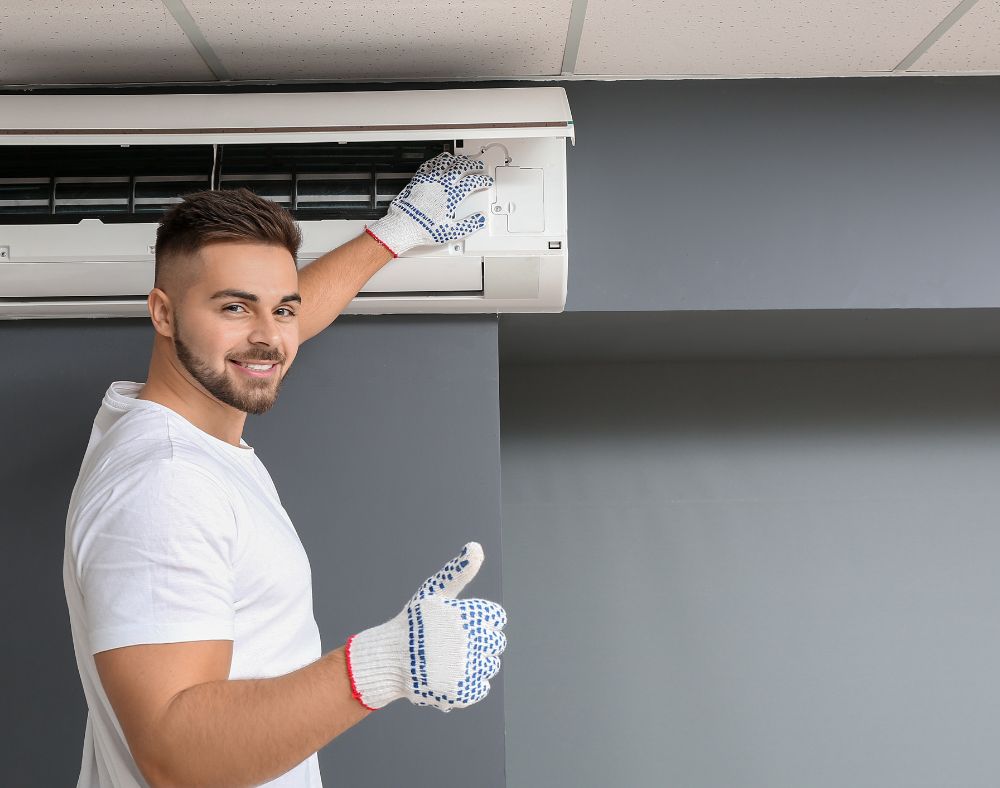
5. Recognise When to Seek Professional Assistance for Your Air Conditioning System
While many tasks are suitable for DIY enthusiasts, others necessitate the expertise of a licensed electrician or a skilled air conditioning technician. Attempting these tasks without the proper knowledge could void your warranty and create safety hazards.
Contact us if:
- Your system is blowing warm air even when set to the correct temperature
- It fails to turn on or shuts off too quickly
- You see error codes or blinking lights on the unit
- Your energy bills have noticeably increased
- It has been over 12 months since your last service
We recommend scheduling an annual inspection for all residential properties, which includes a thorough cleaning of internal components, testing refrigerant pressures, flushing drains, and updating system logs. For businesses that operate air conditioning consistently throughout the week, more frequent servicing is essential to avoid costly downtime.
Frequently Asked Questions About Air Conditioner Maintenance Answered
What essential maintenance tasks are necessary for an air conditioning system?
Your air conditioning system requires consistent monthly filter cleanings, regular inspections of the outdoor unit, checks for efficient drainage, and an annual professional service. Completing these tasks boosts efficiency, diminishes the likelihood of unexpected breakdowns, and extends the lifespan of your system.
How often should I clean my air conditioner filters?
Filters should be cleaned every one to three months depending on usage levels, dust accumulation, and the presence of pets. If you suffer from allergies or heavily utilise your system during Brisbane's sweltering summers, consider cleaning them monthly. Clogged filters are the most common cause of reduced airflow and diminished cooling performance.
Is it normal for water to leak from my air conditioning unit?
No, water leaking from the indoor unit usually signifies a blocked condensate drain or a drainage fault. It is essential to turn off the unit, place towels under the leak, and contact a technician. If not addressed, this issue can lead to ceiling stains, mould growth, and wall damage.
Why is my air conditioner blowing warm air instead of cool air?
First, verify that the unit is set to cooling mode and not fan-only or heating mode. If the settings are correct, check the filters and ensure that air vents are unobstructed. If warm air continues to flow despite the correct settings, the issue could relate to a refrigerant problem, a malfunctioning compressor, or an error with the control board — in such cases, contact a licensed technician for assistance.
What could unusual noises from my air conditioning system signify?
Buzzing or crackling sounds may indicate a failing capacitor, while clicking or short-cycling could suggest a thermostat or control board issue. Grinding or squealing noises typically point to a problem with the fan or motor. It is crucial not to overlook any unusual sounds, as they may signal early signs of component wear, and catching these problems early can prevent more significant and costly repairs down the line.
What actions should I take if my remote works, but my air conditioner won’t start?
First, check to see if the circuit breaker has tripped at the switchboard. If the breaker is functioning correctly and the unit remains unresponsive, try resetting the wall controller. If the unit still does not operate, reach out to a licensed technician for diagnostics — the issue could relate to the control board or power supply.
How frequently should I schedule professional servicing for my air conditioning system?
For most residential properties, we recommend an annual service. This professional service includes comprehensive internal cleaning, pressure testing, drain flushing, and updates to the system log. For commercial properties, more frequent servicing may be necessary to prevent costly downtime due to system failures.
Essential Strategies for Maintaining Your Air Conditioning System
Many air conditioning challenges start small, such as blocked filters, weak airflow, or unusual odours, but can escalate if neglected. Regular care and attention can help maintain your system's effectiveness, even in Brisbane's challenging weather conditions.
We are here to assist if your system needs inspection or repair. However, in the interim, this guide will empower you to maintain your air conditioning unit effectively between professional visits. We always provide detailed explanations of cleaning and maintenance requirements when performing an air conditioning installation.
The Article: Why Is My Air Conditioner Not Cooling? A Brisbane Troubleshooting Guide 2026 first appeared on https://writebuff.com
The Article Air Conditioner Not Cooling? Brisbane Troubleshooting Tips 2026 Was Found On https://limitsofstrategy.com