Your Comprehensive Guide to Choosing the Perfect Vans for House Clearance Tasks
Uncover Essential Features of Top-Rated Van Models for Clearance Projects
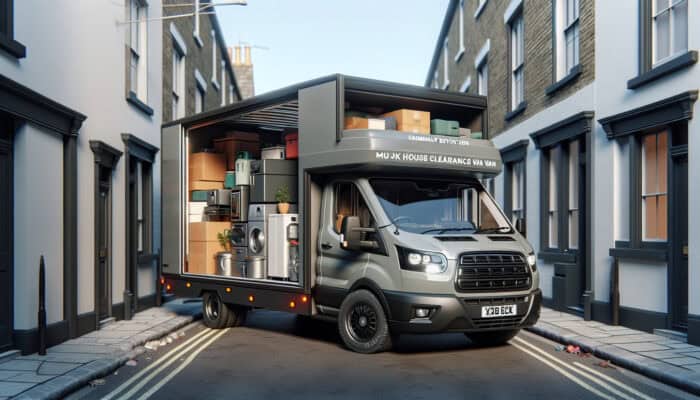
The process of selecting the best vans for house clearance demands a meticulous assessment of features tailored to accommodate the specific requirements of UK operators. A van with a spacious interior is crucial, facilitating the effortless transport of large items such as furniture and appliances. Furthermore, fuel efficiency is a key consideration, as it can dramatically reduce operational expenses over time. Additionally, the van's reliability is vital; it should withstand the rigours of frequent use, whether navigating bustling urban environments or rural roads. Efficient loading and unloading capabilities are essential, particularly in locations with restricted access or narrow streets. Leading van models frequently offer user-friendly features that enhance the entire clearance operation, resulting in improved productivity and user experience.
What Types of Vans Are Most Reliable for House Clearance Tasks?
When considering vans for house clearance, reliability emerges as a critical factor, primarily evaluated through engine durability and load capacity, both essential for the tasks at hand. Vans praised for their robust engines, especially those equipped with turbocharged diesel options, typically excel in demanding situations, particularly on the varied roads of the UK. Furthermore, a van boasting a higher load capacity is better suited to manage the weight of standard household items, which often include large furniture and assorted appliances. This reliability becomes all the more significant given the UK's unpredictable weather, which can put a vehicle's performance and longevity to the test. Therefore, choosing a van that can adapt to such environmental challenges is crucial for effective house clearance operations.
Leading Brands Dominating the Van Market in the UK
In the UK market, several brands have emerged as frontrunners due to their reliability and suitability for transporting goods during house clearances. Ford stands out, with its Transit and Connect models being particularly popular for their versatility and strong after-sales support, making them ideal for various operational needs. Mercedes-Benz presents the Sprinter, celebrated for its superior build quality and dependable performance. Similarly, Volkswagen's Transporter appeals to those seeking a blend of practicality and aesthetic appeal. These brands cater to diverse scales of clearance operations and maintain extensive dealer networks across the country, ensuring users have access to essential servicing and parts whenever needed.
What Characteristics Define the Ideal Van for House Clearance?

Crucial Design Features That Enhance Operational Efficiency
The design of a van plays a pivotal role in its effectiveness for house clearance tasks. Features such as sliding doors prove particularly beneficial, providing easy access in congested urban areas where parking can be challenging. High roofs deliver ample vertical space, enabling the safe transport of larger items without compromising safety. Additionally, enhancements like reinforced load floors and thoughtfully positioned interior tie-down points significantly increase the van’s functionality, allowing users to secure items effectively during transit. These carefully considered design elements not only streamline operations but also minimise the risk of damage to both the vehicle and the items being transported, ensuring a more effective and safe house clearance process.
How Does Payload Capacity Impact Van Selection for House Clearance?
Payload capacity is a crucial factor when selecting a van for house clearance, as it directly influences the vehicle’s suitability for various tasks. In the UK, typical house clearance operations often involve transporting a wide array of items, ranging from heavy furniture to garden waste. A van with adequate payload capacity enables operators to execute jobs efficiently, significantly reducing the need for multiple trips. For instance, a medium-sized van should ideally possess a payload capacity of at least 1,000 kg, allowing it to manage the common loads encountered in this line of work. This not only enhances operational efficiency but also promotes safety by preventing overloading, which can lead to increased wear on the vehicle and present potential hazards on the road.
Essential Safety Features to Consider in a House Clearance Van

Safety should always remain a paramount consideration when selecting a van for house clearance operations. Key safety features include advanced braking systems that can significantly shorten stopping distances, especially when the vehicle is loaded with heavy items. Visibility aids, such as rear-view cameras and parking sensors, are invaluable for navigating tight spaces, effectively preventing accidents. Additional safety features like stability control systems enhance handling during the adverse weather conditions frequently experienced in the UK. Ensuring that the chosen vehicle is equipped with these essential safety elements not only safeguards the driver and the transported goods but also boosts overall operational efficiency, contributing to a safer and more effective house clearance process.
Expert Guidance for Selecting the Best Vans for House Clearance
A Step-by-Step Guide to Making the Right Van Selection
Choosing the appropriate van for house clearance requires a strategic and informed approach. Begin by assessing your specific operational requirements based on the scale of your clearances—are you handling small projects or larger jobs that necessitate more capacity? Next, examine the performance metrics of potential models, focusing on essential factors such as fuel efficiency and payload capacity. Insights from seasoned house clearance professionals underscore the importance of test-driving various models to evaluate comfort and handling. Furthermore, seeking user reviews can provide invaluable information regarding long-term reliability and after-sales support, making your selection process more thorough and well-informed.
Key Performance Metrics to Evaluate When Assessing Vans
When determining the most suitable vans for house clearance, several performance metrics should take precedence in your evaluation. Consider these essential factors to guide your decision-making:
- Mileage: Assess the fuel efficiency of each model to optimise running costs effectively.
- Payload capacity: Confirm that the van can accommodate the typical loads encountered during clearances.
- Engine performance: Seek models equipped with robust engines that deliver consistent and dependable power.
- Resale value: Evaluate how well the van retains its value in the competitive UK market.
- Service intervals: Understand the frequency at which the vehicle requires servicing to maintain optimal performance.
These critical metrics play a significant role in informing your decisions, providing a comprehensive overview of how each van is likely to perform in real-world house clearance scenarios, thus aiding in a well-informed selection.
Professional Maintenance Tips for Ensuring Longevity of Vans
Regular maintenance is essential for extending the operational lifespan of vans used for house clearance. Industry experts recommend adhering to the manufacturer’s service schedule to ensure all components remain in optimal working order. Consistent inspections of fluid levels, brakes, and tyres can help prevent common issues that arise from frequent use. Moreover, investing in protective measures, such as under-sealing against rust, proves especially beneficial, particularly given the UK’s variable climate, which can significantly affect a vehicle’s longevity and performance.
Research-Based Benefits of Premium Vans for House Clearance Transport
Investigating Fuel Efficiency and Associated Cost Savings
Choosing fuel-efficient vans can result in substantial long-term savings for house clearance operations. Research indicates that vehicles designed with aerodynamics and modern engines consume less fuel, positively impacting operational costs. With the continuous rise in fuel prices in the UK, the financial benefits of investing in a more efficient vehicle are becoming increasingly clear. Such savings not only enhance profitability but also align with environmentally responsible practices, effectively reducing carbon footprints throughout the transport process.
How Do These Vans Boost Productivity Levels?
Improvements in productivity are often realised through the superior design and functionality of top-tier vans. Studies focusing on house clearance operations in the UK demonstrate that vehicles with enhanced fuel efficiency and higher payload capacity achieve quicker clearance times and reduced downtime. For instance, a well-chosen van can facilitate faster trips, enabling operators to complete more jobs within the same timeframe. This enhancement not only boosts overall operational efficiency but also elevates customer satisfaction by ensuring prompt service delivery.
Long-Term Value for Operators: What Should You Expect?
Investing in high-quality vans for house clearance offers enduring benefits that extend well beyond initial purchase costs. Research conducted within the UK indicates that reliable vans tend to retain their resale value better than less dependable alternatives, making them a prudent investment choice. Furthermore, as these vehicles endure rigorous use, their durability becomes a testament to their long-term value, allowing operators to rely on them for extended periods without frequent replacements or repairs, thereby enhancing overall operational efficiency.
How to Select the Most Suitable Van for Your Needs?
Evaluating Criteria Based on the Scale of Clearance Operations
Choosing the right van for house clearance largely depends on the scale of the job. Smaller clearances may only require a compact van, while larger operations might necessitate a high-capacity model. It is crucial to understand the typical properties you will be working with; for example, if you frequently manage complete house clearances, a mid-sized to large van with ample load space becomes essential. Furthermore, considering job frequency and average load weight can further inform your selection, ensuring you choose a vehicle that effectively aligns with your operational needs.
What Budget-Friendly Choices Are Available in the Market?
The UK market offers a variety of budget-friendly options for those seeking to acquire vans for house clearance. Numerous manufacturers present entry-level models that strike a balance between functionality and affordability, including the Ford Transit Connect and Citroën Berlingo. Financing alternatives, such as lease agreements and hire purchase schemes, can also render these vehicles more accessible to operators. It is essential for operators to consider the total cost of ownership, encompassing insurance and maintenance expenses, to ensure their chosen option fits within budgetary constraints while meeting operational requirements.
Customisation Options to Meet Specific Operational Needs
Customising a van for specific house clearance requirements can substantially enhance its functionality and efficiency. Possible customisation options include:
- Installing shelving units to improve organisation for tools and smaller items.
- Adding bulkheads to separate the driver’s area from the cargo space.
- Fitting tie-down points for securely securing loads during transport.
- Upgrading lighting to improve visibility in poorly lit areas.
- Installing a tow bar to enhance versatility for transporting trailers.
These modifications can effectively tailor a vehicle to meet individual operational needs, ultimately improving efficiency and safety during house clearance tasks.
Essential Maintenance Tips for Optimal Van Performance
Conduct Regular Inspections to Ensure Longevity
Routine maintenance checks are vital for prolonging the lifespan of vans used for house clearance. Given the UK’s often damp climate, regular inspections of the braking system, lights, and tyre condition are critical for ensuring safety and performance. Periodically changing the oil and filters can help prevent engine wear and maintain optimal efficiency. Furthermore, checking for signs of rust or corrosion, particularly on older models, can help identify potential issues before they escalate. By adhering to a comprehensive maintenance schedule, operators can ensure their vehicles remain reliable and safe for daily use, thereby enhancing productivity.
How Often Should Servicing Be Performed?
The frequency of servicing is crucial for maintaining optimal performance in vans used for house clearance. Generally, manufacturers recommend servicing every 12,000 miles or annually, whichever comes first. However, for vans subjected to heavy usage, more frequent servicing may be necessary to effectively address wear and tear. It is also prudent to monitor for any unusual noises or performance issues, as these may signal the need for immediate attention. By following these guidelines, operators can ensure their vehicles remain in excellent condition, safeguarding their investments for the long term.
Common Repairs to Anticipate in the UK Context
Understanding the common repairs associated with vans used in house clearance can help operators prepare for potential issues. Common repairs typically involve brake replacements, tyre alignments, and electrical system repairs. Given the UK’s diverse weather conditions, corrosion of undercarriages and bodywork from salt and moisture is also a prevalent concern. Ensuring that parts are readily available and familiarising oneself with local service centres can help minimise downtime. By proactively addressing maintenance and repair needs, operators can maintain efficiency and reliability, ensuring seamless service delivery.
Prioritising Tyre Maintenance for Enhanced Safety
Tyre maintenance is crucial for ensuring both safety and performance in vans used for house clearance. Regularly checking tread depth is essential, as insufficient tread can reduce grip, particularly on wet roads in the UK. Maintaining appropriate tyre pressure is also vital; under-inflated tyres can negatively impact fuel efficiency and vehicle handling. Operators should also be vigilant for signs of uneven wear, which may indicate alignment issues that require attention. By focusing on tyre care, drivers can significantly enhance safety and reduce the likelihood of accidents during transport, ensuring smooth operations during house clearance.
Getting Your Van Ready for Winter Conditions
Preparing vans for winter conditions is essential to ensure reliable performance throughout the colder months. In the UK, this preparation involves checking antifreeze levels to prevent the engine from freezing, ensuring that the heater functions appropriately for driver comfort, and inspecting the battery, as cold weather can adversely affect performance. Additionally, ensuring that windscreen wipers are in good condition and that the van is fitted with winter tyres can enhance safety and driving comfort during harsh conditions. By taking these preparatory measures, operators can mitigate the impact of severe winter weather on their house clearance operations, ensuring seamless service delivery.
Financial Considerations for Van Purchases in the UK
Understanding Initial Purchase Costs and Ongoing Operating Expenses
When budgeting for a van suitable for house clearance, it is essential to consider both the initial purchase price and ongoing operating expenses. In the UK, the cost of acquiring a new van can vary significantly based on make, model, and features, ranging from approximately £15,000 to over £30,000 for larger, more capable vehicles. Operating expenses encompass fuel costs, insurance premiums, and maintenance fees, all of which can accumulate considerably over time. Gaining a clear understanding of these expenses upfront allows operators to plan effectively, ensuring they remain within budget while efficiently meeting their operational needs.
What Potential Hidden Costs Might Arise with Van Ownership?
It is vital not to overlook the potential hidden costs associated with van ownership, particularly in the context of house clearance operations. Variations in road tax across different regions in the UK can unexpectedly elevate annual expenses. Some models may also incur higher insurance premiums due to safety ratings or theft risk. Moreover, maintenance and repair costs can prove unpredictable, influenced by the vehicle’s condition and usage frequency. Being aware of these potential expenses can better prepare operators for financial planning, ensuring they are not caught off guard by unforeseen costs.
Assessing Value for Money in Van Investments
Evaluating the value for money provided by vans in the house clearance sector necessitates a thorough comparison of features against price. Key considerations include fuel efficiency, reliability ratings, and overall performance metrics, which can provide insights into potential long-term savings. Operators should also examine the van’s resale value; models that retain their value effectively can yield a superior return on investment. By conducting detailed assessments, operators can make informed choices that guarantee they receive the best possible value from their vehicle investments.
Where to Source Quality Vans in the UK?
Identifying Reputable Dealers and Outlets for Van Purchases
Finding trustworthy dealers is crucial when contemplating the purchase of a van for house clearance. In the UK, established dealerships such as Evans Halshaw, Arnold Clark, and Lookers offer a diverse selection of new and used vans, all guaranteed to meet high-quality standards. It is advisable to seek out dealers known for their excellent customer service and strong after-sales support. Local dealerships can also provide tailored advice based on regional needs, ensuring that operators find the most suitable vehicles for their specific operational requirements and preferences.
How to Identify Quality Second-Hand Vans for Clearance Tasks?
Identifying high-quality used vans for house clearance necessitates careful scrutiny. Begin by reviewing the vehicle’s maintenance history for evidence of regular servicing. Conduct a thorough inspection for signs of rust, previous accidents, and the overall condition of the vehicle. Test-driving the van can help uncover performance issues that may not be apparent during a static inspection. In addition, consider acquiring a vehicle history report to verify that it has not been written off or sustained significant damage. By following these steps, you can secure a wise investment in a second-hand vehicle, ensuring reliability and performance.
Current Trends in the UK Van Market for Potential Buyers
Emerging trends in the UK van market increasingly highlight sustainability and innovation. Buyers are showing greater interest in electric models, motivated by both environmental concerns and the financial advantages of lower running costs. Features such as advanced connectivity and fleet management tools are becoming more widespread, significantly enhancing operational efficiency. Understanding these trends can empower buyers to make informed choices that align with future market developments, ensuring that their vehicle selections not only meet current needs but also anticipate future demands.
- Growing demand for electric vans.
- Increasing emphasis on fuel efficiency.
- Integration of smart technology in vehicle designs.
- Focus on customisation options based on user needs.
Such insights can guide buyers in selecting vehicles that fulfil their immediate needs while preparing for future industry trends.
Future Developments in House Clearance Transport
Technological Innovations Shaping Van Design
The landscape of van design is experiencing a significant transformation, driven by technological advancements that are revolutionising the industry. Innovations such as lightweight materials and hybrid propulsion systems are becoming standard in new models, enhancing fuel efficiency and minimising environmental impact. Manufacturers are also integrating advanced driver-assistance systems (ADAS) to improve safety and ease of handling, which is particularly important for house clearance operations, especially in urban environments. As these technologies continue to evolve, operators can expect enhanced reliability and improved vehicle performance, ultimately bolstering their operational capabilities.
How Will Regulatory Changes Impact Van Selections for Clearance Operations?
Potential regulatory changes in the UK are poised to significantly influence van choices for house clearance operations. With the government increasingly focused on reducing emissions, new regulations may impose stricter standards on vehicle emissions, making it essential for operators to consider low-emission alternatives. Moreover, urban access controls are becoming more frequent, potentially restricting the use of older, more polluting models in city centres. Staying informed about these regulatory trends is critical for operators to ensure compliance while maintaining operational efficiency, ultimately supporting long-term planning.
Sustainable Alternatives on the Horizon for House Clearance Operators
Sustainability is rapidly becoming a focal point in van development, with manufacturers responding to evolving consumer attitudes and environmental regulations. Innovations such as electric and hybrid vans are prioritised, offering eco-friendly alternatives for house clearance transport. The UK’s commitment to reducing carbon emissions further supports this shift, encouraging operators to adopt greener practices. As these sustainable options gain broader accessibility, they present operators with opportunities to enhance their eco-credentials while potentially lowering operational costs, making them a forward-thinking choice for the future.
Advancements in Fleet Management Systems for Improved Efficiency
Fleet management systems are evolving to incorporate sophisticated technologies that enhance scheduling and tracking for house clearance transport. The integration of artificial intelligence and machine learning tools facilitates optimised route planning, minimising fuel consumption and significantly reducing operational downtime. These systems provide real-time data, enabling operators to respond swiftly to changing conditions and improve overall productivity. As technology continues to advance, the potential for increased efficiency and cost-effectiveness in house clearance operations will only grow, equipping operators with powerful tools to enhance their service delivery.
Shifts in Urban Mobility and Their Implications for Clearance Operations
Changing dynamics in urban mobility are profoundly impacting house clearance operations across the UK. Smart city initiatives are redefining traffic management and transport systems, fostering better navigation options for delivery vehicles. Such advancements encourage more efficient use of time and resources, enabling house clearance operators to optimise their routes and enhance customer service. As urban environments continue to evolve, embracing innovative solutions will be crucial for maintaining competitiveness in the house clearance sector and ensuring operators can meet the demands of an ever-changing landscape.
Frequently Asked Questions About Vans for House Clearance
What should I focus on when selecting a van for house clearance?
When selecting a van for house clearance, focus on factors such as payload capacity, fuel efficiency, reliability, and safety features. Additionally, assess the van’s size in relation to the typical loads you will manage to ensure it meets your operational requirements.
Are fuel-efficient vans a smart investment for house clearance operations?
Absolutely! Fuel-efficient vans can lead to significant savings over time, especially with rising fuel costs. They not only lower operating expenses but also contribute to a more environmentally friendly operation, aligning with sustainable business practices.
How often should I service my van to maintain optimal performance?
Typically, it is advisable to service your van every 12,000 miles or annually, whichever comes first. However, if your van is subjected to heavy use, more frequent servicing may be necessary to effectively address wear and tear and maintain optimal performance.
Which brands are considered the best for house clearance vans in the UK?
In the UK, popular brands for house clearance include Ford, Mercedes-Benz, and Volkswagen. These brands are well-regarded for their reliability, performance, and comprehensive after-sales support, making them trusted choices for operators.
Can I customise my van to meet specific house clearance needs?
Yes, many vans can be customised to suit specific house clearance requirements, including the installation of shelving, tie-down points, and additional lighting. Such customisations can significantly enhance operational functionality and efficiency, ensuring the vehicle meets your unique needs.
What should I check before purchasing a used van for house clearance?
When buying a used van, it is crucial to review the maintenance history, inspect for signs of rust or damage, and take it for a test drive. Additionally, obtaining a vehicle history report can help ensure you make a quality purchase, free of significant issues.
How can I improve my van’s fuel efficiency?
Improving fuel efficiency can be achieved through regular maintenance, ensuring proper tyre pressure, and employing fuel-efficient driving practices, such as avoiding rapid acceleration and heavy braking. These measures can lead to significant savings over time.
Are electric vans suitable for house clearance operations?
Yes, electric vans are gaining popularity for house clearance due to their lower running costs and reduced environmental impact. They represent a suitable choice for eco-conscious operators looking to enhance their sustainability efforts.
What common repairs should I anticipate for vans used in house clearance?
Common repairs for vans typically involve brake replacements, tyre alignments, and electrical issues. Regular maintenance can help minimise these repairs and extend the vehicle’s lifespan, ensuring it remains reliable for daily operations.
How can I ensure my van is safe for transporting goods?
To ensure your van is safe for transport, equip it with advanced safety features such as effective braking systems and visibility aids. Regularly check key components such as brakes and tyres to maintain optimal performance, ensuring the safety of the driver and the transported items.
Connect with us on Facebook!
The Article: Top Vans for House Clearance Transport: Essential Choices Was First Found At https://birminghamhouseclearance.com
The Article Vans for House Clearance Transport: Key Options to Consider Was Found On https://limitsofstrategy.com