Comprehensive Analysis of Slippage in Cryptocurrency Trading
What is the core concept of slippage in trading?

Slippage is defined as the difference between the expected price at which a cryptocurrency transaction is intended to be executed and the actual price at which that transaction is fulfilled. Multiple factors contribute to this phenomenon, including market volatility and liquidity issues, both of which can significantly influence order execution and affect the overall trading experience for investors. Understanding the implications of slippage is crucial for traders, as it can substantially impact trading strategies and overall profitability. A thorough comprehension of slippage mechanisms is essential in today’s fast-paced cryptocurrency trading environment.
Key Elements Influencing Slippage in Cryptocurrency Trading
Understanding the key elements that contribute to slippage is essential for traders navigating the dynamic cryptocurrency market. Critical factors include market depth, order size, and price volatility, all of which can significantly influence trade execution. These elements universally affect cryptocurrency transactions, determining how efficiently traders can execute orders at their desired price points. For example, a market with greater depth usually results in less slippage, while larger order sizes can create noticeable price gaps that traders must consider when refining their trading strategies. By being aware of these factors, traders can better manage their approach to minimise slippage.
What common triggers lead to slippage in trading?
- High order volume within the market
- Increased market volatility
- Liquidity constraints affecting order fulfilment
- News events that significantly impact cryptocurrency prices
- Delays associated with the exchange platform
- Types of orders utilised by traders
A variety of factors can trigger slippage, resulting in significant differences between anticipated and executed prices. Comprehending these triggers is vital for traders who aim to minimise potential negative effects on their trading strategies and enhance decision-making processes within the volatile cryptocurrency landscape.
How can traders proficiently assess slippage in their trades?
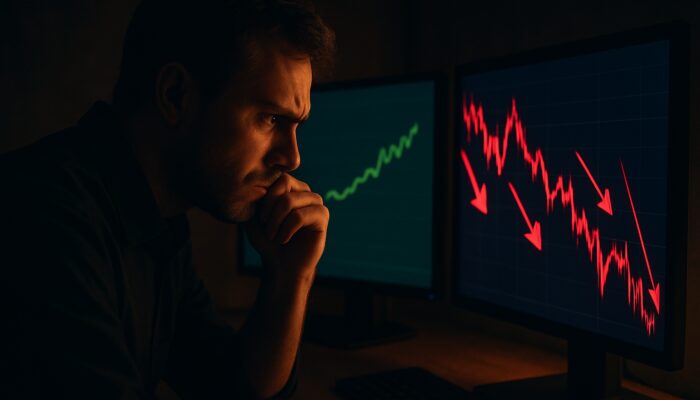
To effectively measure slippage in cryptocurrency trading, traders should ascertain the difference between the anticipated price and the actual price at which an order is completed. This calculation must take into account factors such as market volatility and <a href=”https://limitsofstrategy.com/liquidity-in-crypto-markets-a-basic-overview/”>liquidity</a> to quantify possible losses. This evaluation assists traders in determining and minimising the impact of slippage on their strategies amidst fluctuating market conditions. By comparing the expected price with the executed price, traders gain critical insights into the extent of slippage experienced and can refine their trading tactics accordingly, thus improving their trading outcomes.
Understanding How Slippage Occurs in Cryptocurrency Trading
What typical situations lead to slippage during trading?
Slippage frequently manifests when buy or sell orders fail to execute at the quoted prices due to rapid market fluctuations. This phenomenon consistently affects traders, occurring to varying degrees based on current market conditions. For instance, during a sudden surge in the price of a particular cryptocurrency, a trader attempting to buy may find their order filled at a significantly higher price than initially expected. This scenario underscores the inherent risks associated with slippage in volatile markets and highlights the necessity for carefully considered trading strategies.
What factors can worsen slippage in trading situations?

Certain factors, such as trade volume, can exacerbate slippage by creating significant pricing gaps. High trading volumes, particularly during periods of market instability, can lead to substantial discrepancies between expected and actual prices, making slippage a persistent concern across numerous cryptocurrency exchanges. For example, during high-volatility events like major announcements or market crashes, the likelihood of slippage increases markedly as traders rush to execute their orders, complicating both trading strategies and outcomes considerably.
What proactive measures can traders take to identify slippage early?
To detect slippage effectively, traders should diligently monitor order books and price feeds, enabling them to adjust their trades proactively. By maintaining a vigilant watch on current market conditions and the depth of the order book, traders can identify potential slippage scenarios prior to executing trades. Effective strategies include setting alerts for sudden price movements and utilising trading tools for comprehensive market trend analysis. This proactive approach empowers traders to make informed decisions aimed at minimising the effects of slippage on their trading activities, ultimately enhancing their overall performance.
What techniques can traders implement to reduce slippage?
Traders can effectively mitigate slippage by employing limit orders, which ensure that trades execute only at predetermined prices, thereby shielding against rapid market changes. Additionally, breaking larger orders into smaller transactions helps to prevent market disruption and allows for more favourable execution prices. Utilising algorithmic trading tools during periods of lower volatility can also help maintain price integrity and enhance overall execution efficiency. By integrating these strategies into their trading methodologies, traders can significantly improve their experience and optimise outcomes in the cryptocurrency trading arena.
What effects does slippage have on trading results?
Slippage often results in undesirable trading outcomes, leading to reduced profits or increased losses, particularly within the volatile cryptocurrency markets. By analysing historical data, traders can quantify the effects of slippage on their portfolio performance. This insight allows traders to implement protective measures against unexpected price shifts, ultimately striving to maintain financial stability in their trading activities. Recognising that slippage is an intrinsic component of trading dynamics is essential for developing robust trading strategies capable of withstanding market fluctuations over time.
Expert Insights on Managing Slippage in Cryptocurrency Trading
What sophisticated analytical methods can improve the understanding of slippage?
Experts advocate for the use of advanced tools such as depth charts to anticipate slippage, which can markedly enhance trading accuracy. Depth charts visualise the supply and demand at various price levels, providing traders with valuable insights into where significant price movements may occur. Real-world examples indicate that traders who effectively monitor these charts can execute trades with greater precision, thereby reducing the risk of slippage during volatile market conditions and improving their overall trading effectiveness.
What strategies can traders adopt to manage slippage effectively?
- Utilise limit orders to ensure precise execution
- Segment larger orders into smaller components
- Closely monitor market depth for fluctuations
- Trade during optimal market hours for enhanced stability
- Implement algorithmic trading strategies to improve execution
By adopting expert-recommended strategies, traders can navigate slippage more adeptly. For instance, utilising limit orders ensures that trades are executed at desired price points, while segmenting larger orders helps minimise their market impact. These actionable steps enhance trade reliability and contribute to more favourable trading outcomes, emphasising the importance of strategic planning in trading.
What long-term impacts does slippage have on traders’ performance?
Recurring instances of slippage can profoundly influence portfolio growth, often resulting in diminished returns over time. Traders should prioritise strategies that promote sustained performance, such as diversifying investments and implementing robust risk management techniques. Understanding how slippage compounds over time is critical for achieving long-term investment success, as this awareness encourages proactive measures to safeguard against unforeseen market fluctuations and ensure the health of their portfolios.
Investigating the Effects of Slippage on Trading Outcomes
How does slippage affect profitability in trading activities?
Slippage can significantly diminish potential gains by altering trade outcomes, leading to unexpected losses that challenge cryptocurrency investors universally. The difference between anticipated and actual execution prices can create scenarios where traders miss out on profits or face higher losses than initially expected. Consequently, it becomes imperative for traders to devise strategies that effectively account for slippage to protect their investments and enhance overall trading performance.
What obstacles commonly arise in execution due to slippage?
The repercussions of slippage complicate the order fulfilment process, requiring traders to adapt to price variances within a general trading environment. In situations where market conditions are unpredictable, traders may experience delays or unfavourable execution prices. Being aware of these challenges is crucial for developing strategies that enhance order execution reliability, thereby improving the trading experience and reducing the impact of slippage on overall trading performance.
What strategies can assist in recovering losses incurred from slippage?
Addressing the challenges associated with slippage necessitates a thoughtful adjustment of risk management practices to maintain overall trading stability across various scenarios. Implementing strategies such as setting stop-loss limits and diversifying investment portfolios can effectively mitigate the adverse effects of slippage. By proactively managing risk, traders can not only recover losses but also safeguard their positions within the constantly evolving cryptocurrency market, fostering long-term success and stability.
What influence does slippage have on market liquidity?
Slippage tends to worsen in less liquid markets, leading to orders executing at less favourable prices. This decline in market efficiency can undermine trader confidence in cryptocurrencies, highlighting the need for improved liquidity measures and careful trading practices. Understanding the intricate relationship between slippage and market liquidity is essential for traders seeking stable trading environments that promote effective order execution and improve overall trading outcomes.
What long-lasting consequences does slippage have on investment portfolios?
Over time, frequent occurrences of slippage can accumulate into substantial losses that hinder the growth of investment portfolios within cryptocurrency trading. Ongoing price discrepancies underscore the importance of advanced forecasting methods and effective risk mitigation strategies. By recognising the long-term implications of slippage, traders can implement measures to protect their investments against unforeseen market dynamics, ultimately fostering a more resilient trading strategy.
Research-Driven Benefits of Understanding Slippage in Cryptocurrency Trading
What advantages does awareness of slippage provide to traders?
Developing a comprehensive understanding of slippage empowers traders to conduct improved risk assessments, equipping them with the essential tools to optimise their strategies based on thorough research. For instance, traders who grasp the nuances of slippage can make informed decisions that lead to enhanced outcomes during volatile market conditions, improving their overall trading performance and resilience in challenging environments.
How can traders leverage slippage awareness for portfolio enhancement?
Being aware of slippage can stimulate adaptive trading habits, transforming potential pitfalls into opportunities for enhancing portfolios through expert-backed methodologies. By integrating slippage awareness into their trading strategies, traders can refine their approaches, resulting in improved performance, profitability, and a greater ability to successfully navigate the dynamic landscape of cryptocurrency trading.
What practical applications can emerge from slippage awareness in trading?
Actionable steps, such as employing advanced trading indicators to minimise negative impacts, can arise from research to cultivate effective trading routines. Implementing these practical strategies empowers traders to navigate the complexities of slippage more adeptly, allowing them to maintain a competitive advantage in the rapidly evolving cryptocurrency market while improving overall trading outcomes.
Proven Techniques to Minimise Slippage in Cryptocurrency Trading
What tools and techniques can traders effectively utilise to reduce slippage?
The use of limit orders alongside various monitoring tools can significantly lessen slippage, ensuring more accurate trade executions across diverse market conditions. These tools provide traders with greater control over their orders, facilitating effective execution while minimising the risk of adverse price movements that could negatively affect trading outcomes.
What is the significance of timing in minimising slippage?
Timing trades during less volatile periods is crucial for avoiding slippage, facilitating smoother transactions without complications arising from market fluctuations. Identifying optimal trading times can substantially enhance execution reliability, allowing traders to capitalise on market conditions that favour price stability while effectively mitigating slippage risks.
What best practices should traders follow to minimise slippage?
- Consistently utilise limit orders for enhanced control
- Regularly monitor market conditions for fluctuations
- Break down larger trades into smaller components
- Set price movement alerts for proactive adjustments
- Adopt algorithmic trading strategies during stable periods
Implementing best practices, such as segmenting orders to manage slippage effectively, can lead to improved trading outcomes. The consistent application of these strategies empowers traders to navigate market complexities more efficiently, resulting in better execution and reduced risks associated with slippage.
Clarifying Common Misconceptions About Slippage in Trading
What myths surround the causes of slippage?
Many traders mistakenly believe that slippage exclusively affects large trades; however, it can impact trades of any size due to the inherent dynamics of the market. This misconception can create a false sense of security among smaller traders, who may not recognise their vulnerability to slippage in fluctuating market conditions, potentially leading to unpreparedness and adverse outcomes.
What overlooked aspects of trading relate to slippage?
Slippage is often misunderstood as something that can be completely avoided, yet it is a natural component of volatile markets that requires strategic management. Acknowledging the inevitability of slippage can guide traders in developing more resilient strategies that account for potential discrepancies in execution prices, ultimately fostering a more effective trading approach.
How can misconceptions about slippage be corrected?
Educating oneself with accurate information is vital for dispelling misconceptions surrounding slippage, thereby promoting better trading decisions grounded in factual insights. This proactive approach encourages traders to adapt their strategies based on genuine market conditions rather than assumptions, ultimately enhancing their trading performance and minimising the impact of slippage.
What misconceptions persist regarding slippage and trading strategies?
Traders often erroneously assume that slippage can be entirely eradicated through advanced trading strategies. However, the reality is that slippage is influenced by external factors such as market depth and timing. Recognising this truth helps set realistic expectations and enhances overall trading efficiency, enabling traders to navigate the complexities of the cryptocurrency landscape with greater confidence and success.
Frequently Asked Questions About Slippage in Cryptocurrency Trading
What does slippage indicate in cryptocurrency trading?
Slippage in cryptocurrency trading signifies the difference between the expected price of a trade and the actual execution price, typically resulting from market volatility and liquidity constraints that impact trading performance.
What are the main causes of slippage in trading?
Slippage can originate from various factors, including sudden market movements, elevated trading volumes, and low liquidity, all of which can lead to price discrepancies during order fulfilment.
How can I accurately measure slippage in my trades?
To quantify slippage, traders calculate the difference between the expected price and the actual price at which an order is executed, allowing for an assessment of its impact on trading performance.
Can slippage be entirely avoided in trading?
While slippage cannot be completely eliminated due to the inherent dynamics of the market, traders can implement strategies such as limit orders to minimise its effects on their trades.
What strategies can effectively reduce slippage in trading?
To mitigate slippage, traders can utilise limit orders, segment larger orders into smaller components, closely monitor market conditions, and time their trades during periods of reduced volatility.
How does slippage impact trading profits?
Slippage can erode potential profits by causing trades to execute at unfavourable prices, resulting in unexpected losses that present challenges for investors in the cryptocurrency market.
What common misconceptions exist regarding slippage in trading?
A prevalent misconception is that slippage only affects large trades; however, it can impact trades of all sizes due to inherent market volatility and liquidity issues.
How can awareness of slippage benefit traders?
Being cognisant of slippage enables traders to conduct better risk assessments and optimise their strategies, leading to improved decision-making and enhanced trading outcomes.
What is the importance of timing in relation to slippage?
Timing trades during periods of lower volatility can help prevent slippage, enabling more favourable execution prices and greater stability in transactions.
What tools can assist in effectively managing slippage?
Utilising monitoring tools, limit orders, and algorithmic trading strategies can significantly aid traders in managing slippage and achieving better execution prices, thereby improving trading performance.
Join Us on Facebook for More Insights!
The Article Slippage in Crypto Trading: A Basic Understanding Was Found On https://limitsofstrategy.com
The Article Understanding Slippage in Crypto Trading Basics found first on https://electroquench.com